
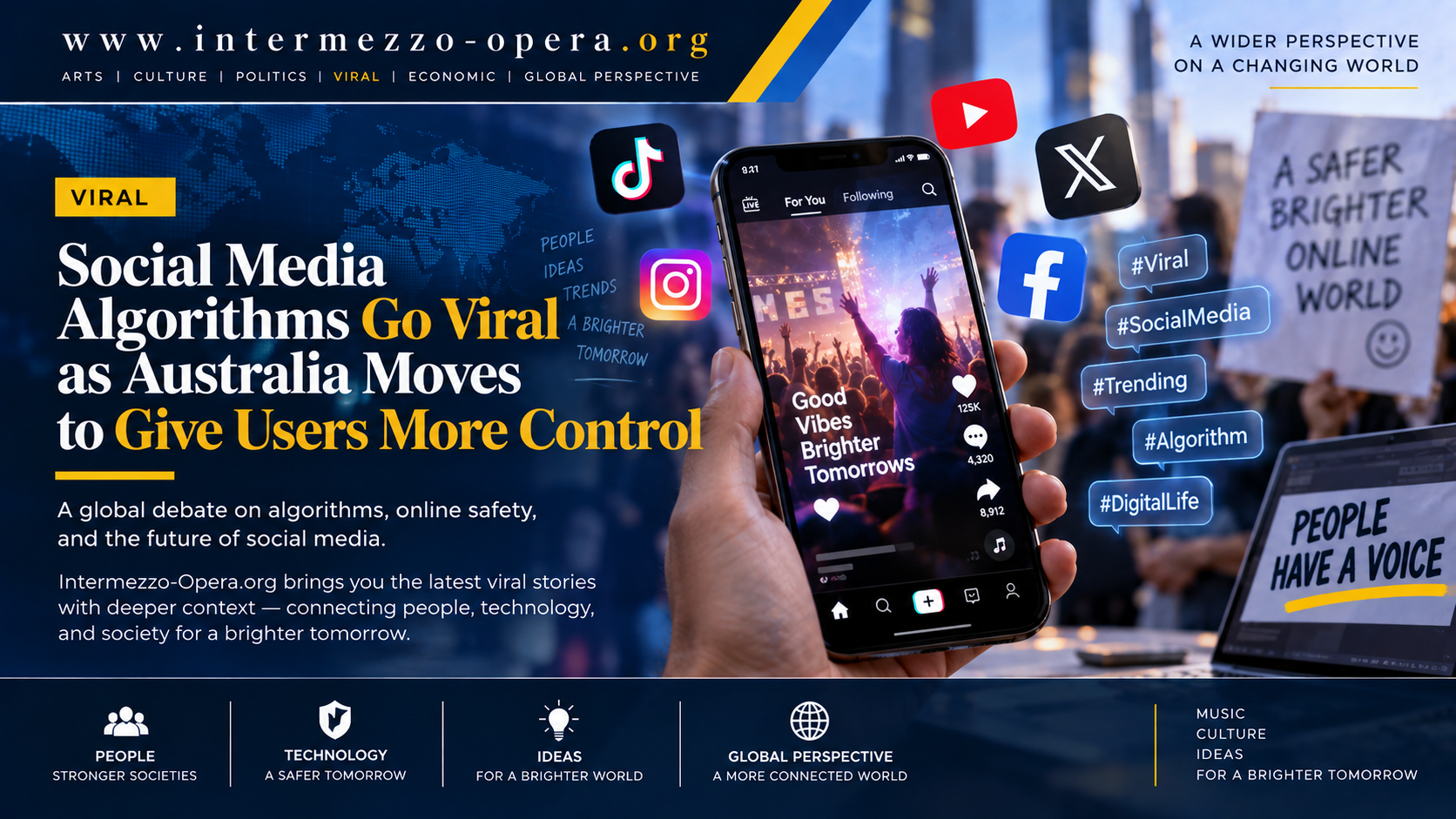
Social Media Algorithms Go Viral as Australia Moves to Give Users More Control
 0
0
 0
0
Read Time:3 Minute, 59 Second
Social media is entering a new phase. For years, platforms have used algorithms to decide which posts users see first. Now, governments and users are asking a bigger question: should people have more control over their own feeds?
This debate is gaining attention in Australia. The government has proposed new rules that would give social media users a choice between algorithm-based feeds and feeds that show posts only from people and creators they follow.
Why Social Media Algorithms Matter
Algorithms help platforms select content for each user.
The system looks at signals such as likes, views, comments, and previous activity. It then tries to show posts that are likely to keep people interested.
This can make social media feel more personal. However, it can also create concerns about addictive features, harmful content, and the spread of extreme material.
Because of this, the role of algorithms has become a major online debate.
Australia Wants Users to Have a Choice
Australia’s proposed rules would require major social media platforms to offer users a choice.
People could keep using a personalized feed powered by algorithms. Alternatively, they could choose a feed based only on accounts and creators they already follow.
The proposal is part of Australia’s wider effort to improve online safety. Platforms could face penalties of up to A$109.2 million if they fail to meet the new requirements.
The government says the plan is designed to give users more control rather than give the government control over what people see.
Instagram Pushes Back
The proposal has also created a strong reaction from the technology industry.
Instagram chief Adam Mosseri warned that users could face a large amount of brand content if algorithmic recommendations are removed. He argued that a simple chronological feed may reduce the amount of content that users find useful or interesting.
However, critics of algorithm-based feeds see the issue differently.
They argue that users should be able to decide how much influence automated systems have over their online experience.
The Viral Debate Is Bigger Than One Country
The discussion in Australia is part of a wider global trend.
Social media platforms have become powerful sources of news, entertainment, advertising, and public debate. As a result, changes to their algorithms can affect millions of people.
At the same time, parents and online creators are becoming more concerned about privacy and safety. A recent viral discussion, for example, has encouraged some parents to reconsider posting photos of their children online because of fears about AI and the misuse of digital images.
Therefore, the meaning of “viral” is changing. It is no longer only about funny videos or popular challenges. Viral discussions can now influence technology policy, business decisions, and public opinion.
California Also Takes Action
The United States is also moving toward stronger online protections.
California recently approved a package of laws aimed at protecting children from harmful technology features. One measure restricts addictive social media functions for users under 16, while another introduces safety requirements for AI chatbot services used by young people.
These measures show how governments are paying closer attention to the design of digital platforms.
In addition, the debate is creating pressure for technology companies to explain how their systems work.
Viral Content Can Shape Public Debate
A story can become viral within minutes. However, its impact can last much longer.
When millions of people discuss the same issue, governments and companies may have to respond. This can turn a social media trend into a political or business issue.
That is why responsible digital journalism matters.
Readers need more than a viral headline. They also need context, facts, and a clear explanation of why a story matters.
Intermezzo-Opera.org and the Viral World
Intermezzo-Opera.org can approach viral stories from a wider perspective. Instead of focusing only on what is popular, the discussion can explore why a story spreads and what impact it may have.
The platform’s broader editorial identity connects culture, politics, economics, and global perspectives. That approach is especially useful for viral topics because online trends often cross several areas at the same time.
A social media trend can become a political debate. A technology change can affect businesses. Meanwhile, a viral video can influence public opinion.
The Future of Viral Content
Social media will continue to change as governments, technology companies, creators, and users debate the future of online platforms.
Algorithms will remain an important part of that discussion. So will privacy, artificial intelligence, online safety, and freedom of expression.
Ultimately, the viral world is not only about getting attention. It is also about understanding how digital trends can influence society.
For Intermezzo-Opera.org, that wider perspective can turn viral stories into meaningful conversations about people, technology, culture, and the changing world.


Happy
0 %

Sad
0 %

Excited
0 %

Sleepy
0 %

Angry
0 %

Surprise
0 %
Related Post
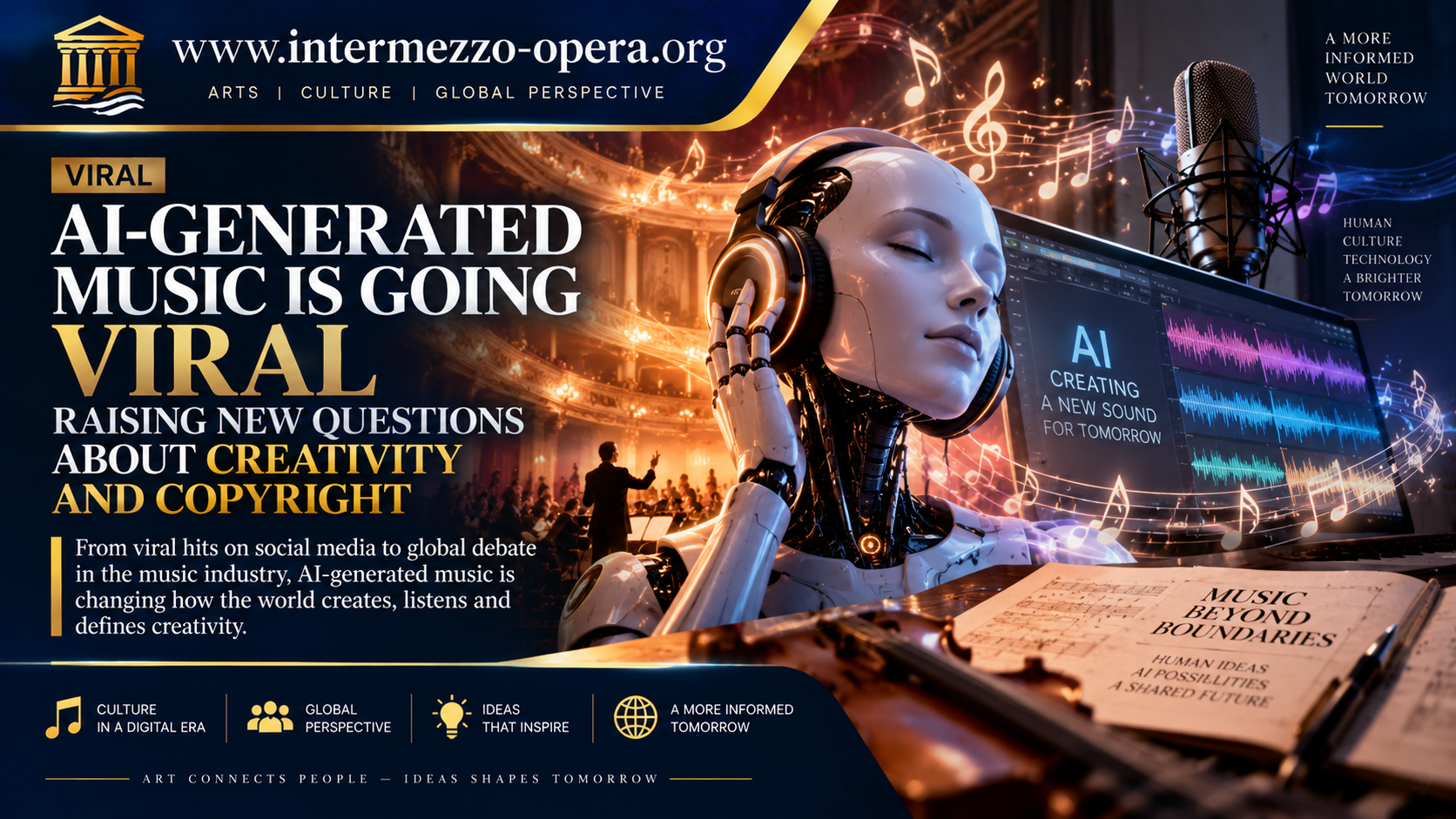
AI-Generated Music Is Going Viral, Raising New Questions About Creativity and Copyright
AI-generated music is rapidly becoming one of the most debated developments in global digital culture.…