
Cost of Living in Europe: Why Everyday Expenses Feel Different Across Cities
 0
 0
Read Time:7 Minute, 44 Second
Cost of living in Europe can vary dramatically from one city to another. Housing, food, transportation, energy, and everyday services all influence how much households need each month. However, comparing cities by prices alone can be misleading. Income levels, taxation, public services, and lifestyle choices also shape how affordable a place actually feels.
For households, these differences influence daily decisions. For businesses, they affect wages, operating costs, and consumer demand. Therefore, understanding the cost of living requires looking beyond supermarket prices or monthly rent.
Cost of Living in Europe Starts with Housing
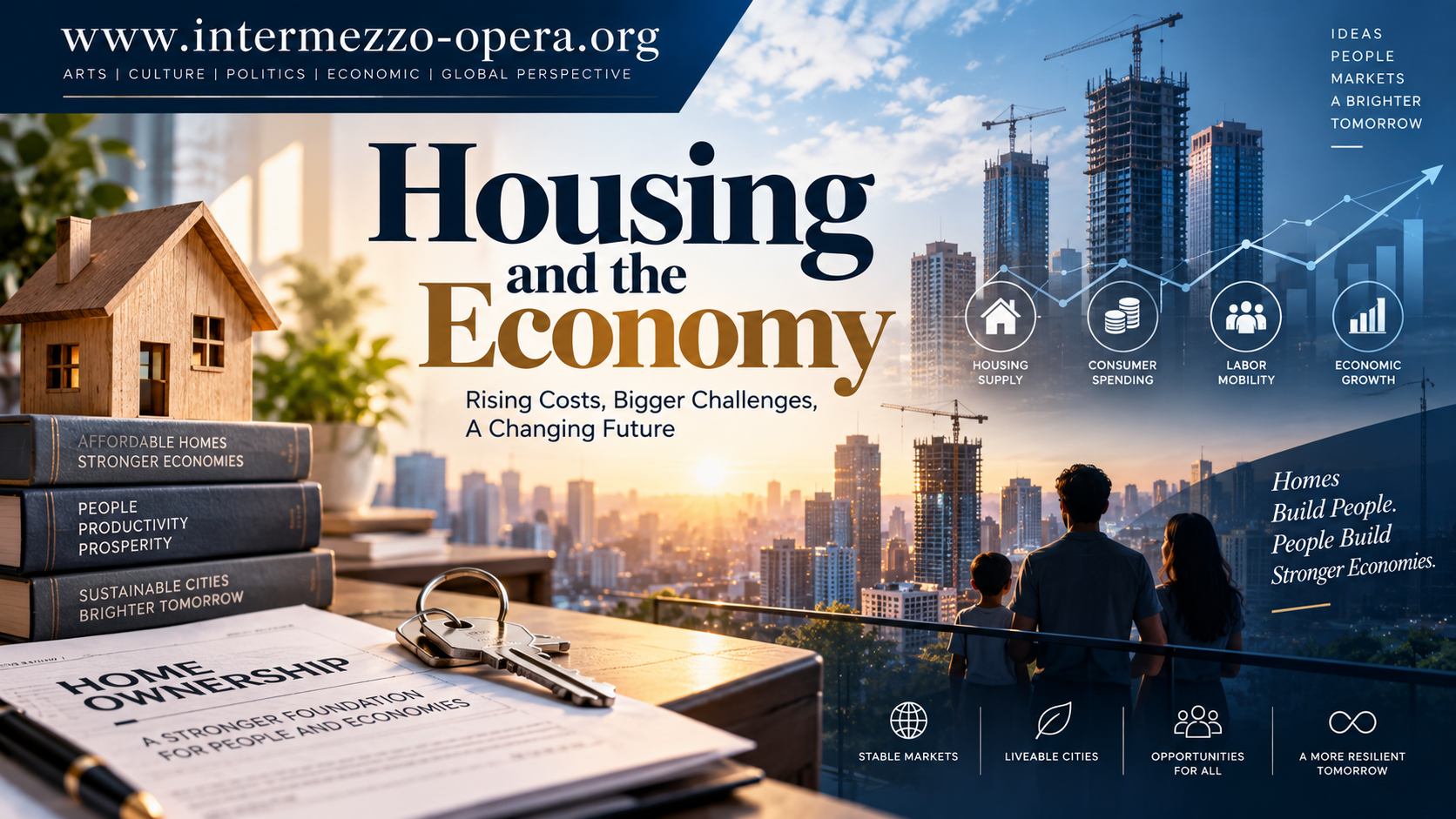
Housing is one of the largest expenses for many households.
Rent can consume a significant share of monthly income, especially in popular capitals and major economic centers. Meanwhile, smaller cities may offer more affordable housing but fewer employment opportunities.
Location also matters within the same city.
A central apartment may cost considerably more than housing farther from commercial districts. However, living outside the center can increase transportation expenses.
Therefore, cheaper rent does not automatically mean lower total living costs.
Income Changes the Meaning of Expensive
A city may appear expensive when looking only at prices.
However, salaries can change the picture.
Higher wages may help residents manage expensive housing and services. On the other hand, a relatively inexpensive city can still feel costly when local incomes are low.
This is why purchasing power matters.
Instead of asking only how much something costs, consumers should consider how much income remains after essential expenses.
That comparison provides a more useful view of affordability.
Food Prices Affect Household Budgets
Food represents another important part of the cost of living in Europe.
Prices depend on many factors, including production, transportation, energy, weather, labor, and retail competition.
Shopping habits also matter.
Households that cook regularly may have different expenses from people who frequently eat at restaurants.
In addition, local markets and discount supermarkets can offer different price levels.
Consumers often respond to rising food costs by changing brands, comparing stores, or adjusting meal plans.
These small decisions can have a noticeable effect over a month.
Energy Costs Reach Beyond Utility Bills
Energy prices influence more than electricity and heating bills.
Businesses also need energy to operate factories, offices, restaurants, warehouses, and shops.
When those costs increase, companies may face pressure to adjust prices.
Transportation can also become more expensive.
As a result, changes in energy markets can gradually reach household budgets through several channels.
Energy efficiency therefore has economic importance.
Better insulation, efficient appliances, and sensible energy use may help households control consumption, although the financial benefit varies by property and local prices.
Public Transportation Can Change Urban Affordability
Transportation is another major factor when comparing cities.
A strong public transport network may reduce the need for private car ownership.
Residents can use buses, trams, trains, or metro systems for commuting and everyday activities.
This can reduce spending on fuel, parking, insurance, and vehicle maintenance.
However, transportation affordability depends on ticket prices and network coverage.
A cheap monthly pass offers limited value if it does not connect residential areas with workplaces.
Therefore, both price and accessibility matter.
Car Ownership Comes with Hidden Costs
The purchase price is only one part of owning a car.
Drivers also need to consider fuel, insurance, maintenance, repairs, parking, and other expenses.
These costs can become significant in large cities.
For this reason, some urban households may choose not to own a vehicle.
Meanwhile, residents of smaller towns or rural areas may have fewer alternatives.
Their transportation budget can therefore remain strongly connected to car ownership.
Geography plays an important role in household economics.
Inflation Changes Everyday Decisions
Inflation becomes especially visible when frequently purchased products become more expensive.
Consumers may notice changes in groceries, restaurant meals, transportation, utilities, and services.
As prices rise, households often adjust their behavior.
Some delay major purchases. Others switch to less expensive products or reduce discretionary spending.
Businesses observe these changes as well.
When customers become more price-sensitive, companies may reconsider pricing, package sizes, promotions, or product ranges.
Therefore, inflation influences both household behavior and business strategy.
Interest Rates Affect More Than Home Buyers
Interest rates can influence borrowing across the economy.
Mortgage payments may become more expensive for some borrowers when financing conditions change.
Businesses can also face higher borrowing costs.
This may affect investment decisions, expansion plans, and hiring.
Meanwhile, savers may experience different returns on deposits depending on financial conditions.
The effects are not identical for everyone.
A household with substantial debt may experience interest-rate changes differently from someone with significant savings and no loans.
Childcare Can Shape Family Economics
Childcare expenses can strongly influence household finances.
The situation varies across countries because public support, availability, and private costs differ.
For working parents, childcare is not simply another consumer service.
It can influence whether returning to full-time employment makes financial sense.
Availability also matters.
An affordable service offers little help if families cannot access a place when they need one.
Therefore, family economics depends on both direct costs and the structure of local public services.
Healthcare Systems Influence Household Spending
Healthcare represents another area where direct price comparisons can be difficult.
European countries use different combinations of taxation, public insurance, mandatory contributions, and private spending.
As a result, households may pay for healthcare in different ways.
A lower direct medical bill does not necessarily mean healthcare has no economic cost.
Part of that expense may already be funded through taxes or social contributions.
For meaningful comparisons, consumers should consider the wider system rather than looking at a single hospital or insurance payment.
Taxes Are Part of the Affordability Equation
Gross salary does not equal disposable income.
Taxes and social contributions influence how much money households can actually spend.
At the same time, those payments may help fund services such as healthcare, education, transportation, and social protection.
Therefore, comparing tax rates alone provides an incomplete picture.
The more useful question is what households receive, what they pay directly, and how much disposable income remains afterward.
Different European systems create different combinations of these factors.
Tourism Can Influence Local Prices
Popular destinations can experience economic pressure from strong visitor demand.
Tourism supports restaurants, hotels, entertainment, retail, and many local jobs.
However, high visitor demand can also affect certain housing markets and commercial areas.
The impact varies considerably between destinations.
Therefore, it is important to avoid assuming that tourism alone explains high local prices.
Housing supply, construction rules, population growth, investment, wages, and employment patterns can all play significant roles.
Urban affordability usually has several causes.
Remote Work Has Changed Location Choices
Remote and hybrid work have given some workers greater flexibility.
A person employed by a company in one city may be able to live somewhere less expensive.
This can create new opportunities for smaller cities.
However, increased demand from higher-income remote workers may also influence local housing markets in some places.
The long-term effects depend on the scale of remote work and local housing supply.
Still, location has become a more flexible economic decision for certain professions.
That change may continue influencing how people evaluate affordability.
Businesses Also Face a Cost-of-Living Challenge
Rising household expenses can affect employers.
Workers may seek higher wages when essential costs increase.
At the same time, businesses can face higher expenses for energy, rent, supplies, and financing.
Companies must balance these pressures carefully.
Increasing prices may protect margins, but customers can reduce spending when products become too expensive.
Therefore, productivity becomes increasingly important.
Businesses that improve efficiency may have more flexibility when costs rise.
Smaller Cities Can Offer Different Trade-Offs
Moving away from a major capital can reduce certain expenses, particularly housing.
However, lower costs may come with trade-offs.
Smaller cities may offer fewer specialized jobs or less frequent transportation.
On the other hand, remote work and improved infrastructure can make some regional cities more attractive.
The best economic choice depends on personal priorities.
A lower-cost location is useful only when employment, education, healthcare, transportation, and lifestyle needs remain accessible.
Personal Budgets Matter More Than City Rankings
City rankings can provide a useful starting point.
However, they cannot represent every household.
A student, family with children, remote worker, retiree, and young professional can have completely different spending patterns.
Therefore, personal budgeting remains essential.
Start with housing and utilities. Then, add transportation, food, healthcare, communication, and other recurring expenses.
Afterward, include savings and discretionary spending.
This produces a more realistic estimate than relying entirely on an average cost-of-living figure.
Cost of Living in Europe Is About More Than Prices
Cost of living in Europe reflects the relationship between prices, income, taxation, housing, transportation, and public services. A city with expensive rent may offer higher salaries and excellent public transportation. Meanwhile, a cheaper city may require a car or provide fewer employment opportunities.
Therefore, affordability should be evaluated as a complete economic picture.
Households can compare disposable income with essential expenses. Businesses can monitor wages, operating costs, and changing consumer behavior. Policymakers, meanwhile, can examine how housing supply, infrastructure, competition, and public services affect everyday life.
Ultimately, the most meaningful question is not simply which European city is cheapest. It is whether local incomes and services allow households to maintain a sustainable standard of living after paying for the essentials.


Happy
0 %

Sad
0 %

Excited
0 %

Sleepy
0 %

Angry
0 %

Surprise
0 %
Related Post

The Global Economy Is Changing: Why Resilience Matters More Than Rapid Growth
The global economy is changing in ways that make traditional measures of success increasingly incomplete.…