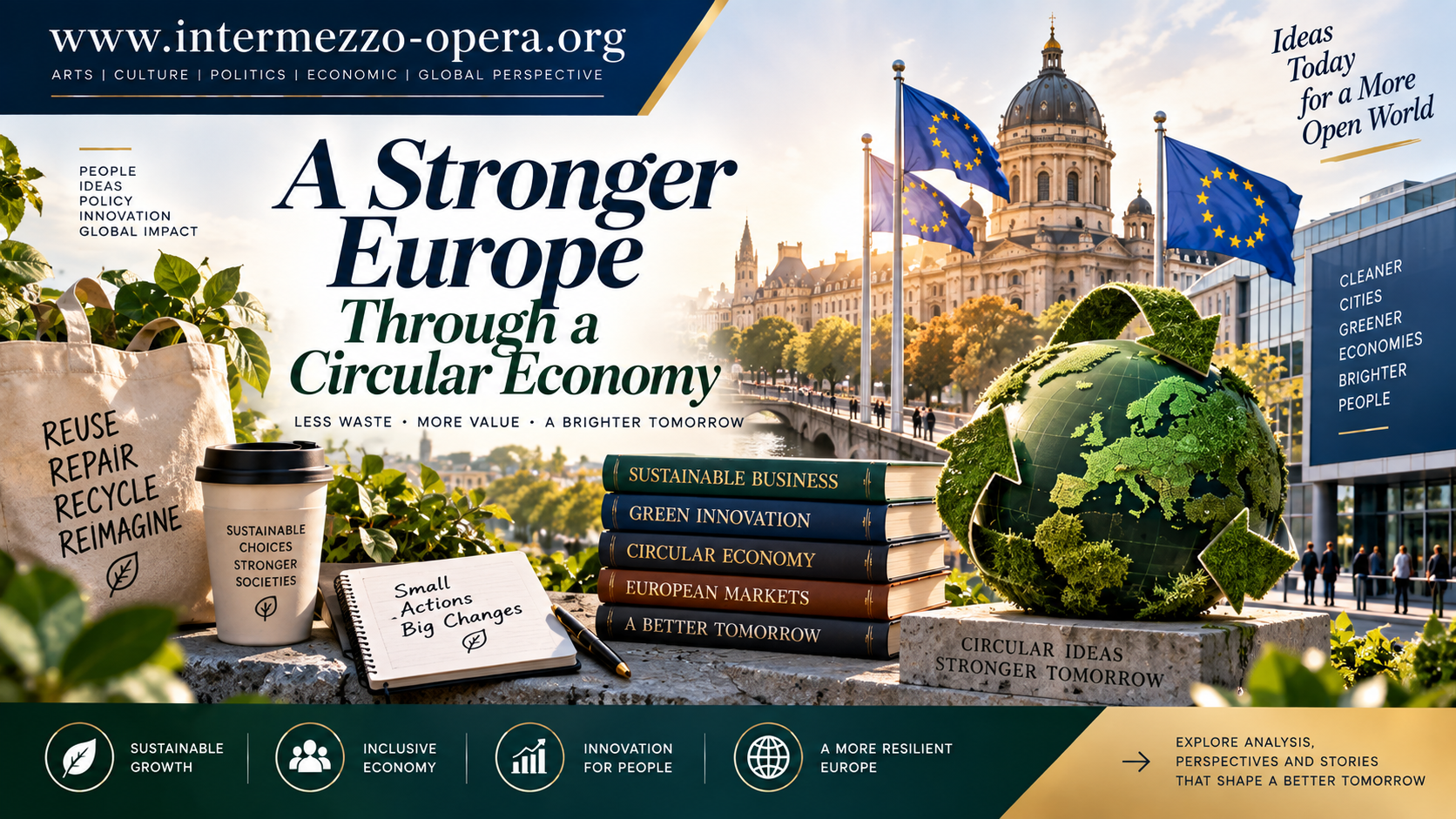
Circular Economy in Europe: New Opportunities for Business and Sustainable Growth
 0
 0
Read Time:7 Minute, 53 Second
Circular economy in Europe is creating new opportunities for businesses and consumers. The idea is simple. Products should remain useful for as long as possible. Therefore, repair, reuse, resale, and recycling are becoming more important.
This model is different from traditional consumption. People do not simply buy, use, and throw products away. Instead, businesses can find new value in products and materials. As a result, the circular economy can support innovation and new business models.
Circular Economy in Europe Creates New Business Ideas
The circular economy in Europe can create opportunities in many industries.
For example, companies can offer repair services. Others can collect used products and prepare them for resale.
In addition, businesses can develop rental services.
Customers can use a product when they need it. Then, another customer can use the same product later.
Therefore, one product can create value several times.
This approach can open opportunities for both large companies and small businesses.
Repair Services Can Support Local Economies
Many products can remain useful after a simple repair.
Phones, laptops, bicycles, furniture, and household appliances are good examples.
However, customers need access to skilled repair services.
Therefore, local repair shops can play an important economic role.
Technicians can fix damaged products instead of sending them directly to waste. At the same time, customers may avoid buying replacements too quickly.
Moreover, repair businesses can create local jobs.
They can also support other businesses that supply tools and replacement parts.
Refurbished Electronics Offer More Choices
Electronics represent another interesting market.
Many consumers want reliable devices at reasonable prices. Therefore, refurbished products can provide another option.
A business can inspect a used device first. Then, technicians can repair or replace damaged parts.
After that, the product can return to the market.
However, customers need clear information.
Businesses should explain the condition of each device. They should also provide clear details about warranties and important components.
As a result, buyers can make better decisions.
Second-Hand Markets Continue to Develop
Second-hand shopping is becoming easier.
Digital platforms allow people to sell products they no longer need. Meanwhile, buyers can search for used items from home.
Clothing, books, furniture, electronics, and sports equipment can all find new owners.
Therefore, useful products can remain in circulation for longer.
Businesses can also participate in this market.
For example, retailers can create resale sections. Brands can also accept older products from customers.
In addition, specialized shops can focus entirely on quality second-hand goods.
Circular Economy in Europe Can Transform Fashion
Fashion creates another opportunity for circular business.
Clothing can remain useful for years when consumers take care of it properly.
Therefore, repair services can become more valuable.
Tailors can repair damaged clothing. Meanwhile, resale businesses can help customers find new owners for unwanted items.
Brands can also improve product durability.
For example, they can choose stronger materials and make common repairs easier.
As a result, clothing may remain useful for longer.
This approach can create value without depending only on constant replacement.
Furniture Can Have a Second Life
Old furniture does not always need to become waste.
A table may only need a new finish. Similarly, a chair may need new fabric or a simple repair.
Therefore, restoration can become an attractive business opportunity.
Small workshops can collect older furniture and improve it.
Afterward, they can sell the restored products to new customers.
In addition, creative businesses can redesign old pieces.
This gives furniture a new appearance while keeping much of the original material.
Rental Businesses Can Reduce Unnecessary Purchases
People do not need to own every product they use.
For example, someone may need a tool for only one weekend.
Buying that tool may not make financial sense.
Therefore, rental businesses can provide another solution.
Customers pay for access rather than permanent ownership.
Meanwhile, businesses can earn income from the same product many times.
However, product quality becomes important.
Rental companies need durable products that can handle repeated use.
They also need good maintenance systems.
Sharing Can Make Better Use of Products
Many products remain unused for long periods.
Cars may stay parked for most of the day. Tools may remain inside storage areas for months.
Therefore, sharing can improve the use of these resources.
Digital platforms can connect people who have products with people who need them.
However, clear rules are necessary.
Users need information about prices, availability, damage, and responsibilities.
Good systems can make sharing easier and safer.
As a result, existing products can create more economic value.
Packaging Creates Opportunities for Innovation
Packaging is another important part of the circular economy in Europe.
Businesses use packaging for food, drinks, cosmetics, deliveries, and many other products.
Therefore, even small improvements can have a wider effect.
Companies can explore refill systems or reusable containers.
In addition, they can reduce unnecessary packaging.
However, every solution needs careful planning.
Reusable containers require collection and cleaning systems. Meanwhile, alternative materials must still protect the product properly.
Therefore, businesses need practical solutions rather than simple marketing claims.
Recycling Remains Important
Repair and reuse cannot continue forever.
Eventually, some products reach the end of their useful life.
At this stage, recycling becomes important.
Businesses can recover useful materials from certain products. Then, manufacturers may use those materials again.
However, product design can affect this process.
Products with many difficult-to-separate materials can create problems.
Therefore, manufacturers can consider recycling during the design stage.
Simpler material choices may improve future recovery.
Waste Can Become a Useful Resource
Some businesses produce materials that they no longer need.
However, another company may find those materials useful.
This creates an interesting economic opportunity.
For example, one manufacturer may produce a by-product that another business can use.
Therefore, cooperation between companies can reduce waste and create value.
However, safety remains essential.
Businesses must understand the properties of each material before using it again.
Clear standards can support responsible reuse.
Better Product Design Supports the Circular Economy
Design has a major role in circular business models.
Companies can create products that are easier to maintain.
For example, they can make important components replaceable.
In addition, businesses can provide spare parts.
Clear repair instructions can also help customers and technicians.
Therefore, product design can influence how long an item remains useful.
A durable product may also strengthen customer trust.
Consumers can see value in products that do not require immediate replacement after a minor problem.
Small Businesses Can Join the Circular Economy
The circular economy in Europe is not only for large corporations.
Small businesses can participate too.
A local tailor can repair clothing. A bicycle shop can restore older bikes.
Meanwhile, a furniture workshop can offer restoration services.
Technology specialists can also repair computers and smartphones.
These businesses provide practical services close to customers.
Therefore, they can make repair more convenient.
Convenience matters because people may choose replacement when repair feels too difficult.
Practical Skills Can Become More Valuable
A repair economy needs skilled workers.
Mechanics, technicians, electricians, tailors, and carpenters all have useful knowledge.
Therefore, vocational skills can remain important as circular businesses grow.
However, technology continues to change.
Workers need opportunities to learn about new products and tools.
Training can help them update their knowledge.
In addition, experienced professionals can teach younger workers.
As a result, practical skills can continue across generations.
Consumers Need Simple Information
Customers need clear information before buying products.
For example, they may want to know whether a product can be repaired.
They may also want information about replacement parts.
Therefore, companies can make these details easier to find.
Good care instructions can also extend product life.
For example, correct cleaning and maintenance may prevent unnecessary damage.
In addition, transparent information can help customers compare products.
They can consider durability instead of looking only at the purchase price.
Price Still Matters
Circular products must remain practical.
Consumers may support repair but still choose a new product when repair becomes too expensive.
Therefore, businesses need to control costs.
Parts, labor, transportation, and processing can all affect the final price.
Refurbished products also need clear value.
Customers should understand why buying refurbished makes sense.
However, price is not the only factor.
Warranty, quality, convenience, and trust can also influence purchasing decisions.
Technology Can Support Circular Businesses
Digital technology can make circular services easier to use.
Online marketplaces can connect buyers and sellers.
Meanwhile, apps can help customers find repair or rental services.
Businesses can also use digital systems to track products.
For example, they can record repairs and maintenance.
This information may help products remain useful for longer.
However, technology should solve a real problem.
A complicated digital system offers little value if customers cannot use it easily.
Therefore, simplicity remains important.
Circular Economy in Europe Supports a Different Growth Model
Circular economy in Europe can create value by keeping products and materials useful for longer. Repair, resale, refurbishment, rental, sharing, and recycling can all become part of this model.
Moreover, the transition can create opportunities for small businesses and skilled workers. Companies can develop new services, while consumers gain more choices.
However, circular business models must remain affordable and convenient. Customers still care about price, quality, and reliability.
Therefore, successful businesses need to combine sustainability with practical value. When repair and reuse make economic sense, circular ideas can become part of everyday life.
Ultimately, the circular economy in Europe is not only about reducing waste. It is also about finding new value in products, skills, and materials that already exist.


Happy
0 %

Sad
0 %

Excited
0 %

Sleepy
0 %

Angry
0 %

Surprise
0 %
Related Post
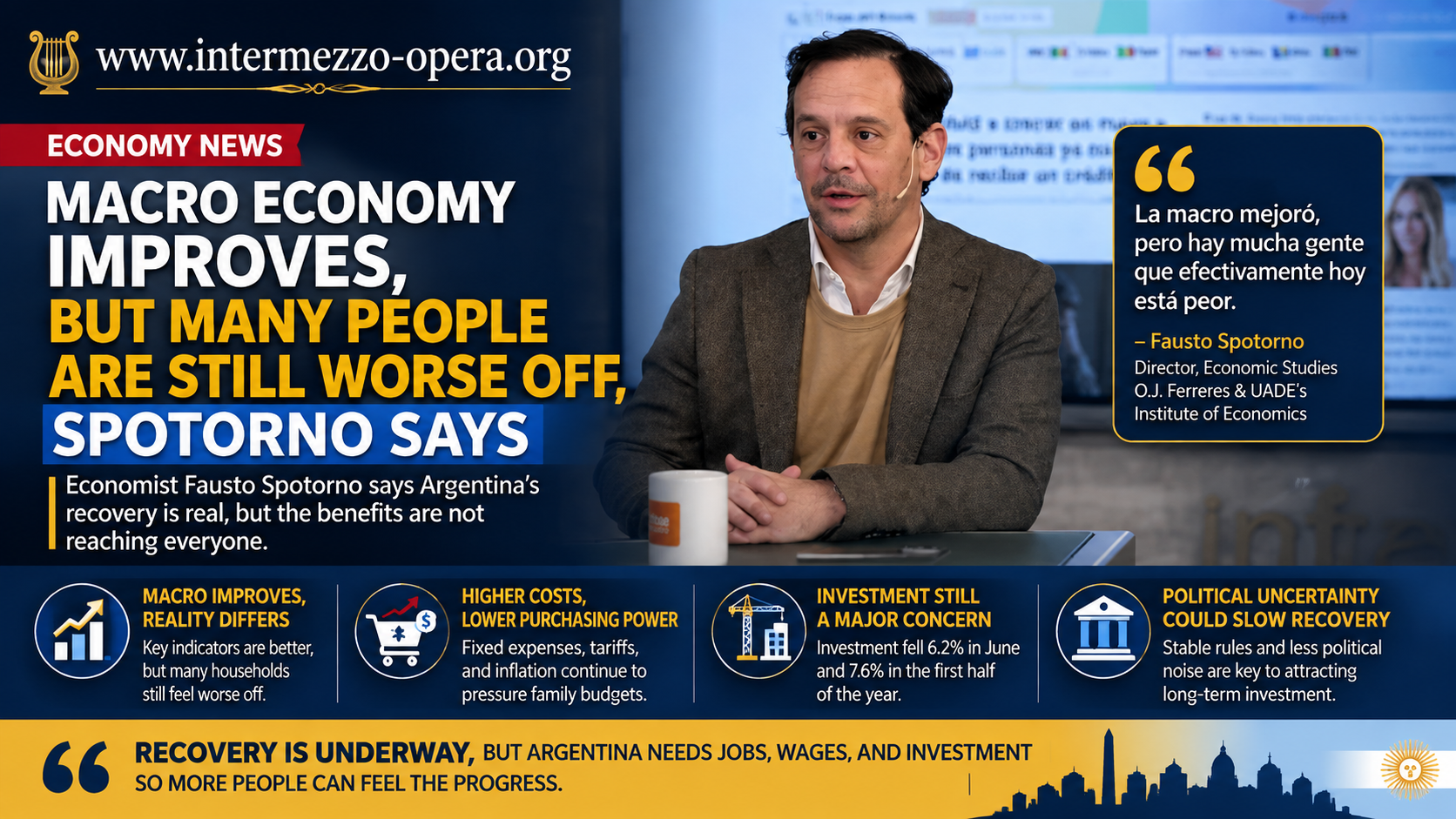
Argentina Economic Recovery Improves, but Many Still Struggle
Economist Fausto Spotorno says Argentina’s macro economy has improved, but many households still face financial…