Viral Culture in 2026: How AI, Short Videos, and Online Trends Are Changing the Internet
 0
 0
Read Time:7 Minute, 1 Second
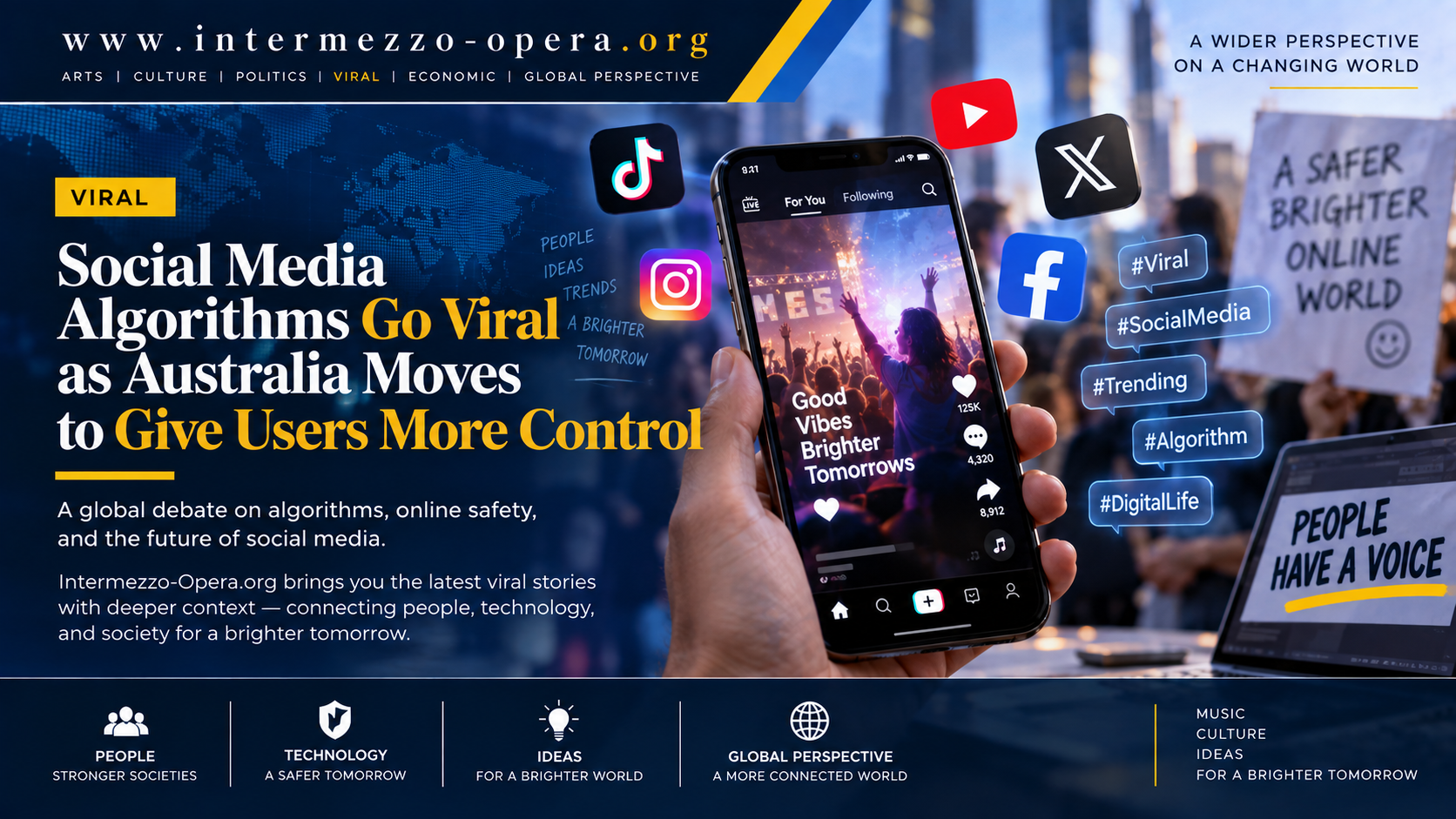
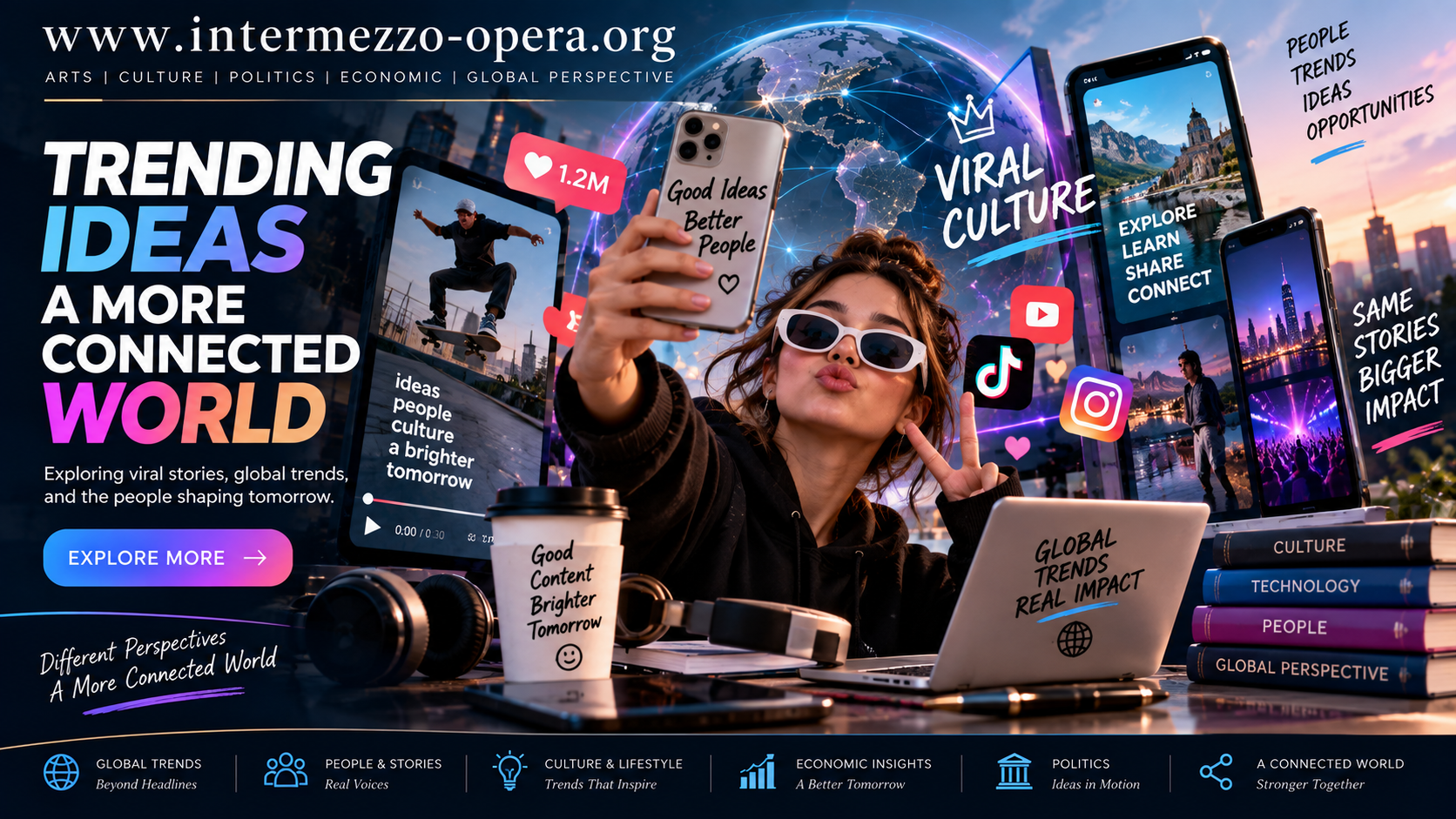
Viral culture in 2026 is moving faster than ever. A short video, unusual image, joke, song, or simple social media post can move from a small community to millions of screens within hours.
The latest wave of online trends also looks different from the viral internet of the past. Artificial intelligence is now part of everyday content creation, while short-form video continues to influence entertainment, fashion, business, sports, and popular culture. Recent September trends include AI-generated 1980s portraits and highly relatable short videos built around everyday situations.
For www.intermezzo-opera.org, viral culture offers more than entertainment. It provides a window into how technology and human behavior are changing the way people communicate.
Viral Culture in 2026 Moves at Incredible Speed
Social media has reduced the time needed for an idea to reach a global audience.
A creator no longer needs a television appearance or a major advertising campaign. Instead, one memorable video can introduce an idea to thousands of people almost immediately.
Then, other users can copy or remix it.
This process creates momentum. One original post may quickly produce reactions, parodies, tutorials, memes, and entirely new versions.
As a result, the audience becomes part of the creative process.
Short Videos Remain a Powerful Format
Short-form videos remain central to modern internet culture.
Their strength comes partly from simplicity. Users can understand a joke, reaction, transformation, or story within seconds.
Moreover, these videos work well on smartphones.
Creators can record content without expensive equipment. Therefore, production quality is no longer the only factor determining whether something attracts attention.
A clear idea and strong opening can sometimes matter more.
Recent September 2026 trend tracking found that relatable social situations, visible results, and simple reveals have produced notable breakout content, including from relatively small creators.
AI Has Entered Viral Culture
Artificial intelligence has become one of the most visible forces behind new online trends.
Users can now transform photographs, generate unusual scenes, create digital characters, and experiment with different visual styles.
One prominent September example is the AI-generated 1980s portrait trend. Users have been transforming modern photographs into images featuring vintage clothing, hairstyles, studio lighting, and other retro details.
The appeal is easy to understand.
AI gives ordinary users access to creative effects that previously required specialized editing skills. Consequently, millions of people can participate in the same visual trend while producing personalized results.
Viral AI Trends Also Raise Privacy Questions
The convenience of AI tools introduces another consideration: personal data.
Many viral transformations require users to upload photographs. Therefore, people should understand how a service handles uploaded images before submitting personal material.
The current 1980s portrait trend has already generated discussion about the privacy implications of repeatedly giving photographs to AI-powered services.
This does not mean every AI trend is unsafe.
However, popularity should not replace basic caution. Users can review privacy policies and consider whether uploading a particular photograph is necessary.
Not Everything Viral Is Real
Perhaps the biggest challenge surrounding viral culture in 2026 is authenticity.
Generative AI can produce convincing images and videos. Unfortunately, realistic synthetic media can also appear alongside false descriptions.
Recent fact checks illustrate the problem. In September 2026, Full Fact documented multiple examples of AI-generated or manipulated material circulating as authentic content, including fake disaster imagery and a deepfake video.
Therefore, appearance alone is becoming less reliable.
A dramatic photograph may look authentic without documenting a real event. Likewise, a convincing video may not accurately represent what happened.
Simple Verification Can Make a Difference
Users do not need to become professional investigators before sharing something online.
However, several simple questions can help.
Where did the content first appear? Does a reliable news organization report the same event? Is the original video available? Does the caption provide evidence?
Furthermore, slowing down suspicious footage can reveal visual inconsistencies. Current guidance on viral AI videos also recommends examining unusual objects or sudden visual changes that may indicate synthetic content.
Taking a minute to check can prevent a false post from gaining another share.
Everyday Life Has Become Viral Entertainment
Not every trend involves major events.
In fact, some of the most effective viral content comes from ordinary situations.
Awkward messages, delayed replies, workplace moments, friendships, relationships, shopping experiences, and small personal victories can become entertainment.
Recent creator trends demonstrate this clearly. Short scenarios involving group chats and messaging anxiety have produced significant engagement because viewers immediately recognize the situation.
This relatability gives small creators an opportunity.
They do not always need spectacular locations or famous guests. Sometimes, they only need an experience that makes viewers think, “That happens to me too.”
Small Creators Can Reach Huge Audiences
Traditional media usually depends on established distribution.
Social media works differently.
Algorithms can expose content from relatively unknown creators to much larger audiences when viewers respond strongly.
Recent trend analysis has identified small accounts achieving breakout reach through one clear premise or relatable situation.
Therefore, online influence is not limited to celebrities.
A student, artist, small-business owner, musician, or ordinary smartphone user can suddenly become part of a much larger conversation.
Music Helps Trends Travel
Music remains closely connected to viral culture.
A memorable section of a song can become the soundtrack for thousands of unrelated videos. Each creator then gives that sound a new context.
One person may use it for comedy. Another may create a fashion video, while someone else uses the same audio for travel content.
Consequently, social platforms can introduce older or unfamiliar music to entirely new audiences.
The relationship also works in reverse. Musicians increasingly understand that a recognizable moment can help a song travel through online communities.
Viral Trends Can Influence Business
Internet culture also has commercial value.
When a product appears naturally inside a popular trend, millions of potential customers may encounter it.
However, successful viral marketing is not simply about copying whatever happens to be popular.
Audiences can recognize forced participation.
Therefore, businesses need to understand why a trend works before joining it. The language, community, timing, and original context all matter.
For some brands, participating makes sense. For others, maintaining a consistent identity may be more effective.
Going Viral Does Not Guarantee Long-Term Success
A million views can create enormous attention, but attention can disappear quickly.
Today’s popular joke may feel outdated next week.
Therefore, creators who want lasting audiences need something beyond a single viral moment.
Consistency matters. Original ideas matter as well.
Creators also need to understand why viewers followed them after a successful post.
A viral video may open the door. Building a recognizable identity can encourage people to stay.
Viral Culture Connects People Across Borders
One fascinating feature of internet culture is its ability to cross geographical boundaries.
A joke created in one country can be adapted somewhere else. A dance can receive new variations, while a visual trend can change as different cultures reinterpret it.
Language does not always prevent participation.
Music, facial expressions, visual humor, and recognizable situations can communicate ideas without lengthy explanations.
Therefore, viral culture can create unexpected connections between people who might otherwise never interact.
The Internet Is Becoming Harder to Read
At the same time, users face an unusual contradiction.
The internet offers more creative possibilities than ever, yet determining what is authentic can be more difficult.
AI-generated content demonstrates this tension clearly.
The technology can support art, humor, education, and experimentation. However, synthetic media can also contribute to misinformation. UNESCO has warned that deepfakes create broader challenges around how people determine what to trust in AI-mediated information environments.
Digital literacy is therefore becoming an essential everyday skill.
Viral Culture in 2026 Is About Creativity and Awareness
Viral culture in 2026 reflects a rapidly changing digital world. Short videos remain powerful, AI has expanded creative possibilities, and small creators can reach audiences that once required major media distribution.
However, greater creative power brings greater responsibility.
Users increasingly need to distinguish entertainment from evidence and authentic footage from synthetic media. Creators must also consider privacy and credibility when experimenting with new tools.
For www.intermezzo-opera.org, viral culture is worth following because it sits at the intersection of technology, culture, media, and society.
Ultimately, the next global trend could begin with one person and one smartphone. The important question is no longer simply what becomes viral, but also why people believe it, share it, and allow it to shape the wider culture.


Happy
0 %

Sad
0 %

Excited
0 %

Sleepy
0 %

Angry
0 %

Surprise
0 %
Related Post
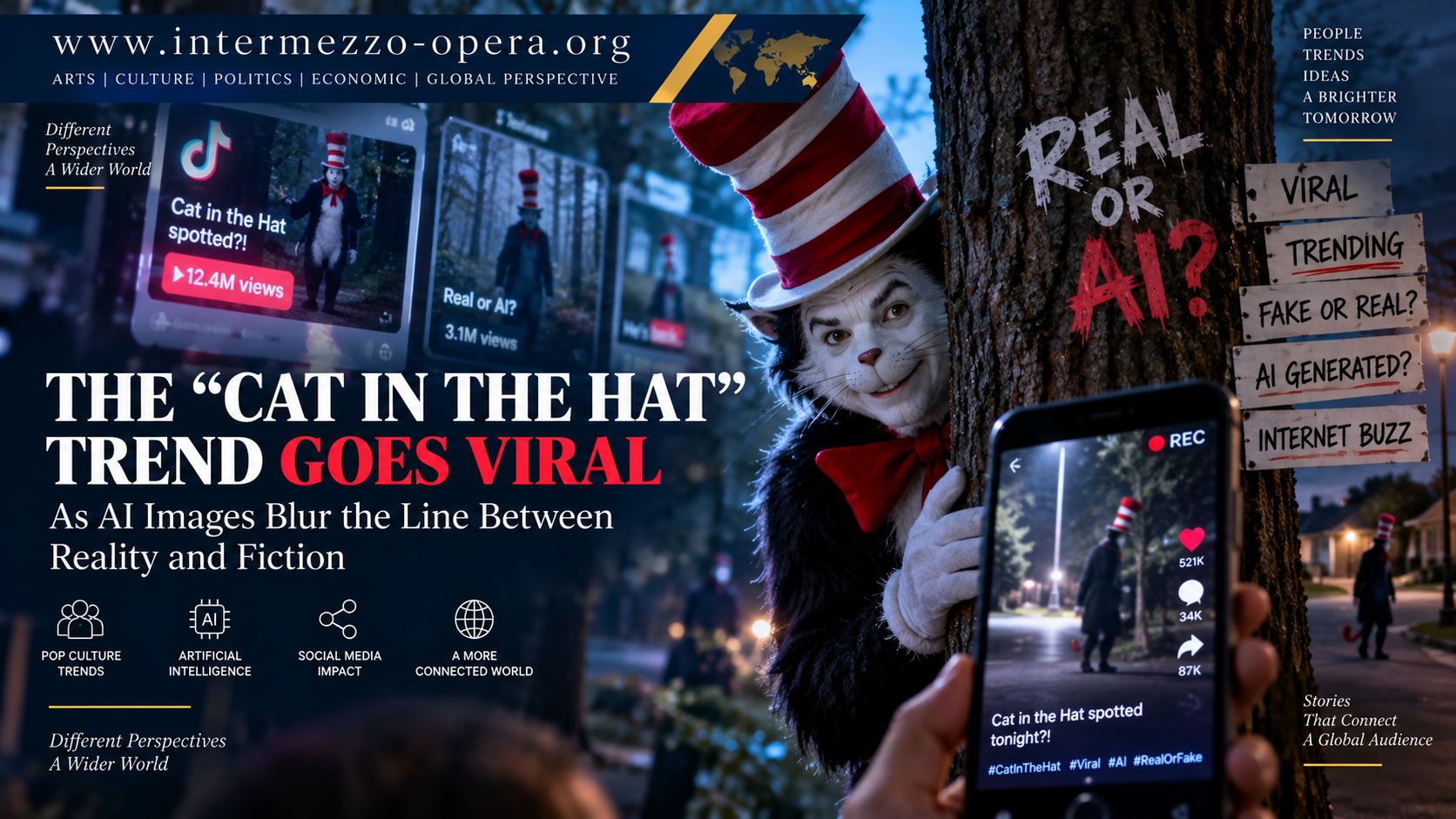
The “Cat in the Hat” Trend Goes Viral as AI Images Blur the Line Between Reality and Fiction
A strange internet trend featuring The Cat in the Hat has gone viral across social…