
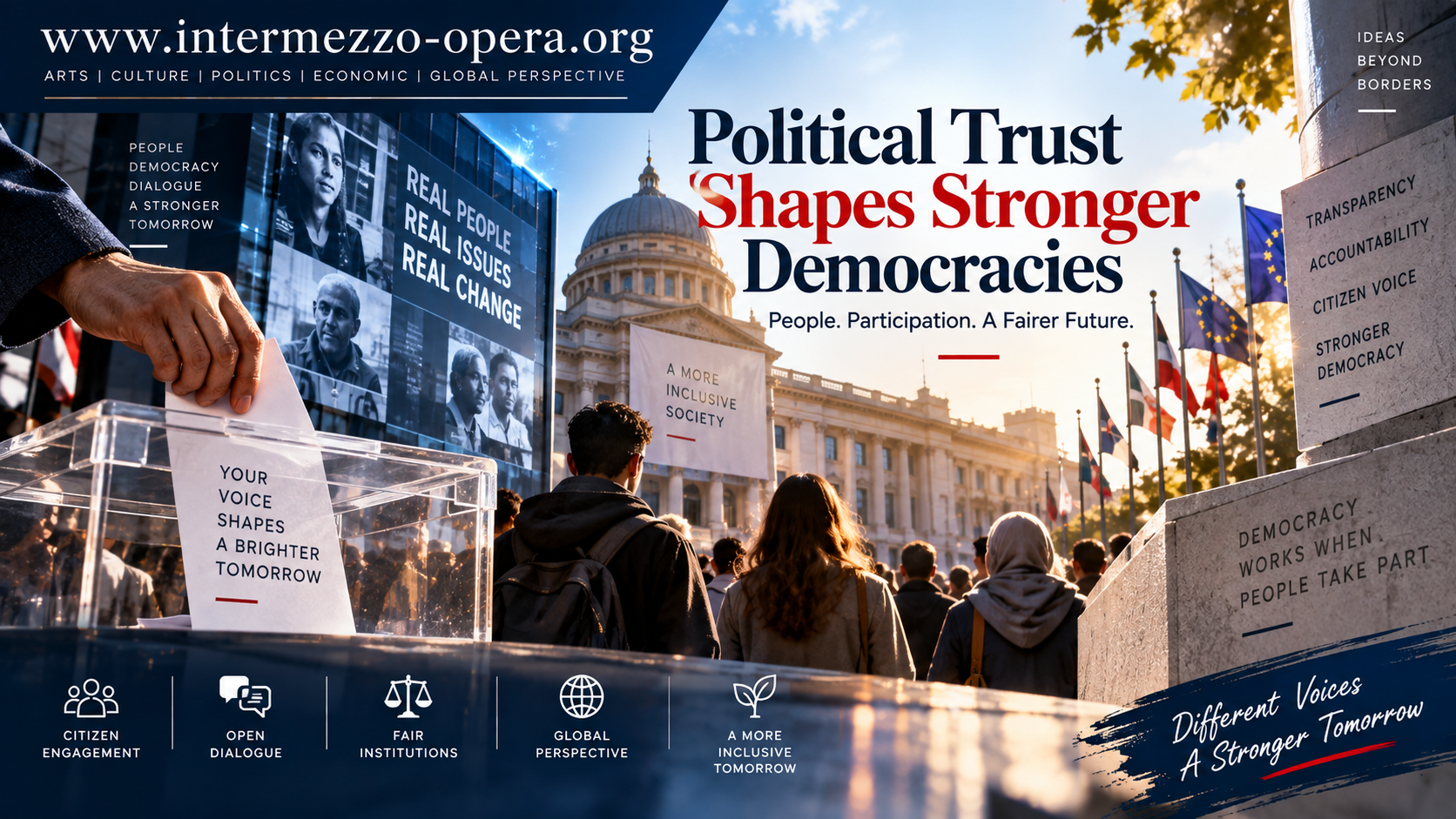
Political Trust Becomes a Defining Challenge for Modern Democracies
 0
 0
Read Time:4 Minute, 5 Second
Political trust is increasingly becoming an important issue for governments and democratic institutions around the world. Beyond elections and political competition, citizens are paying closer attention to whether governments listen to their concerns, explain policy decisions and respond effectively to changing social and economic conditions.
Research from the Organisation for Economic Co-operation and Development (OECD) shows that public confidence is closely connected to whether people believe they have a meaningful voice in political decision-making.
The issue is not simply about whether citizens support a particular government. It is also about how democratic institutions function and whether people believe those institutions are responsive, transparent and accountable.
Citizens Want a Greater Voice
One of the clearest findings from the OECD’s Trust Survey is the relationship between political voice and confidence in government.
Across surveyed OECD countries, 69% of people who believe they have a say in government decisions report high or moderately high trust in national government. Among those who believe they do not have a say, the figure falls to 22%.
This gap highlights the importance of political participation.
Participation does not only happen during elections. Public consultations, community engagement, access to government information and opportunities to influence policymaking can also shape how citizens view political institutions.
Transparency Is Becoming More Important
Modern governments are dealing with increasingly complex policy questions, from artificial intelligence and climate policy to economic security and technological regulation.
These issues often involve difficult trade-offs between different groups in society.
The OECD found that only around 41% of respondents in its 2023 survey believed their government used the best available evidence when making decisions. Meanwhile, only around 39% considered government communication about policy reforms adequate.
For governments, this means that announcing a policy may no longer be enough.
Citizens increasingly expect policymakers to explain why a decision was made, what evidence supports it and how its consequences will affect different groups.
Checks and Balances Remain Central
Political trust is also connected to the functioning of democratic institutions.
Parliaments, courts, independent oversight bodies, media organisations and civil society can provide mechanisms for examining government decisions. The OECD has identified institutional checks and balances, accountability and integrity as important elements in strengthening confidence in public institutions.
International IDEA’s Global State of Democracy 2025 similarly reported that representation, rights, rule of law and participation remain important pillars of democratic governance, while its assessment found declines in at least one key aspect of democratic performance in more than half of the countries it examined over the preceding five years.
These developments place institutional resilience at the centre of political discussions.
Information Has Become Part of the Political Challenge
The digital information environment has also changed the relationship between citizens and political institutions.
Social media allows political information to move rapidly, but it can also make it more difficult for people to distinguish between verified information, misleading claims and political commentary.
The OECD has linked today’s information environment, including misinformation and polarising content, with questions surrounding public trust. It argues that transparent communication based on accessible evidence can help citizens better understand government decisions.
For news organisations, journalists and public institutions, this creates a growing responsibility to clearly separate facts, analysis and political opinion.
Political Trust Is Not the Same as Political Agreement
An important distinction is that low trust in a government does not automatically mean rejection of democracy.
The OECD notes that citizens in democratic systems have greater freedom to scrutinise governments and express dissatisfaction. Public criticism can therefore be part of democratic accountability rather than evidence that democratic institutions themselves are being rejected.
This distinction matters because political disagreement is a normal feature of democratic societies.
The more important question is whether citizens continue to have meaningful channels through which they can participate, challenge decisions and demand accountability.
The Next Phase of Democratic Governance
The future of political institutions may depend increasingly on their ability to combine effective government with public participation.
That includes several areas:
- Greater transparency in policymaking.
- Clearer explanations of government decisions.
- Stronger institutional accountability.
- Accessible opportunities for citizen participation.
- Reliable public information.
- Evidence-based policymaking.
- Protection of independent oversight and media.
The OECD has specifically highlighted citizen engagement, stronger checks and balances, evidence-based communication and reliable public services as areas that can contribute to stronger institutional trust.
Conclusion
Political trust is becoming an important measure of how citizens experience modern democracy. Elections remain fundamental, but trust is also shaped by what happens between elections: whether people feel heard, whether institutions explain their decisions and whether governments can demonstrate accountability.
As governments face increasingly complicated political, technological and economic challenges, the relationship between citizens, information and institutions is likely to remain a central issue in global politics.
For modern democracies, political trust is therefore not simply about popularity. It is closely connected to participation, transparency, accountability and the ability of institutions to respond to the people they serve.


Happy
0 %

Sad
0 %

Excited
0 %

Sleepy
0 %

Angry
0 %

Surprise
0 %
Related Post
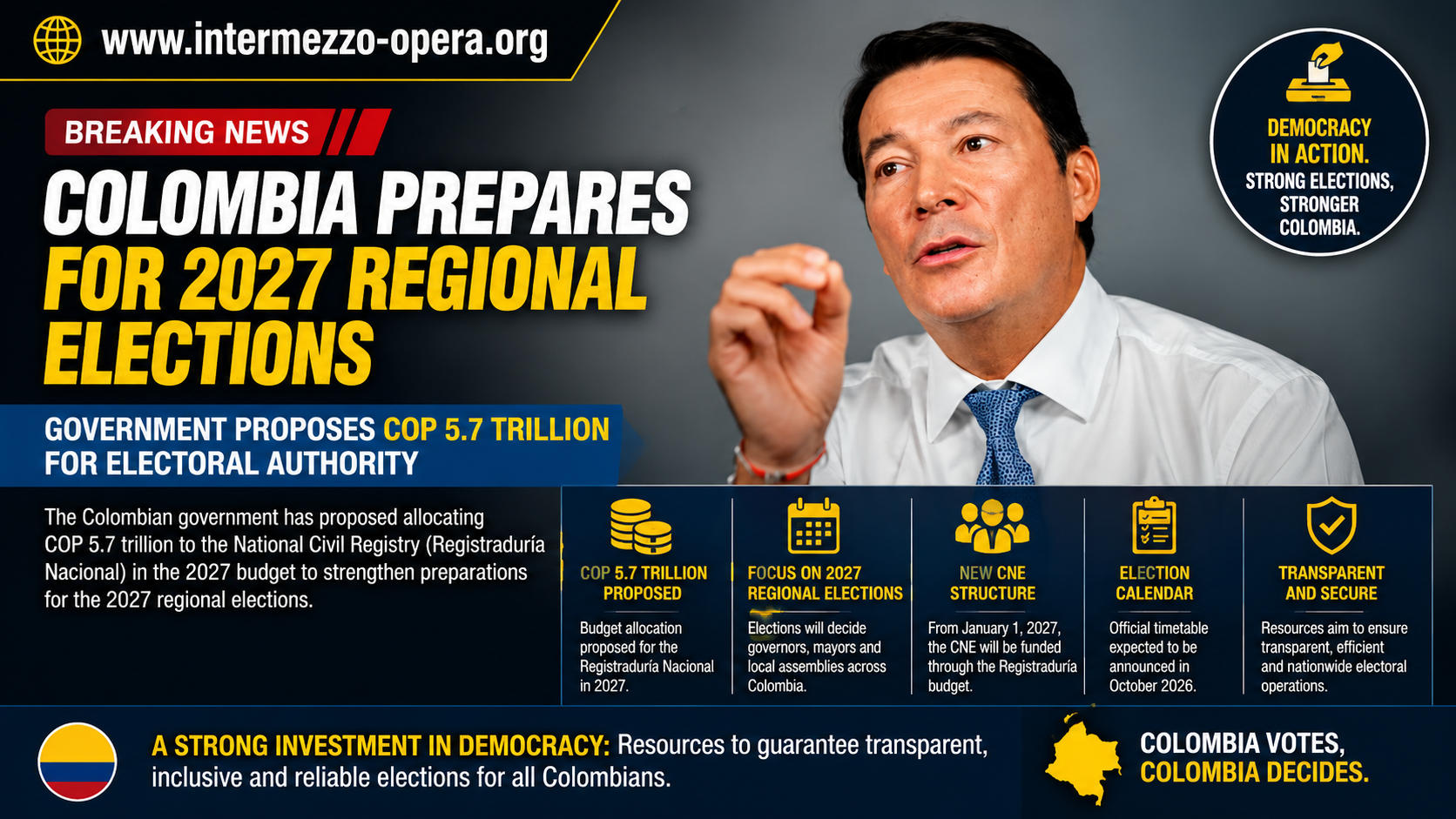
Colombia Proposes COP 5.7 Trillion for Electoral Authority Ahead of 2027 Regional Elections
BOGOTÁ, Colombia — Colombia’s government has proposed allocating approximately COP 5.7 trillion to the National…