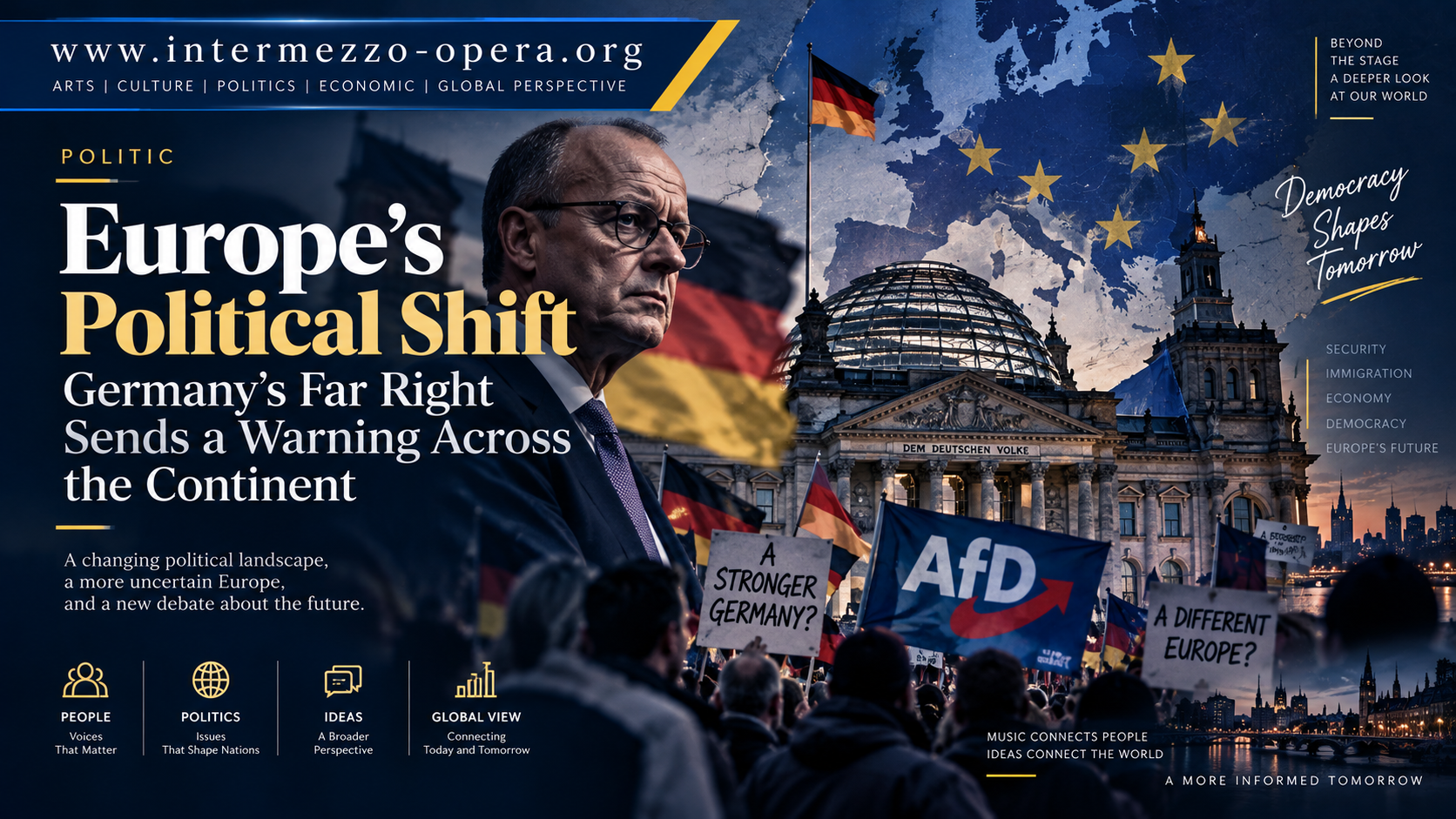
Europe’s Political Shift: Germany’s Far Right Sends a Warning Across the Continent
 0
0
 0
0
Read Time:3 Minute, 12 Second
Europe is entering a new political phase. Voters are showing stronger support for parties that challenge the traditional political order.
Germany has become the latest example. The far-right Alternative for Germany, or AfD, won a historic result in the Saxony-Anhalt state election. The result is now raising questions about Germany’s political future and Europe’s wider direction.
AfD Wins a Historic Result
The AfD received 43.8% of the vote in Saxony-Anhalt. The party won 39 of the 83 seats in the state parliament.
However, it fell three seats short of an outright majority. Therefore, the AfD cannot govern alone without support from another political group.
The result is still significant.
No far-right party has led a German state government since the Second World War. The AfD now has a stronger position than ever in regional politics.
Merz Faces a Major Political Test
The election was also a major setback for Chancellor Friedrich Merz and his Christian Democratic Union.
The CDU received only 17.2% of the vote. That was a sharp fall from its previous result in the state.
Merz said the result had deeply shocked his party. However, he rejected calls to change his political direction.
He also ruled out cooperation with the AfD.
This position follows Germany’s long-standing political “firewall”. Mainstream parties have refused to form coalitions with the AfD.
Why Are Voters Moving Right?
The reasons are not limited to immigration.
Economic concerns are also important. Voters are worried about living costs, jobs and economic security.
In Saxony-Anhalt, a survey found that 87% of voters were unhappy with the federal government. Peace in Europe and personal economic conditions were also major concerns during the election.
Therefore, the AfD has been able to attract voters who feel that traditional parties are not solving their problems.
The party has also used social media aggressively. Its campaign reached younger voters and helped build a stronger political presence.
Ukraine Is Also Part of the Debate
Foreign policy is another major issue.
The AfD supports a different approach to the war in Ukraine. It has called for an end to German military support for Kyiv and wants closer relations with Russia.
Merz has taken the opposite position. He continues to support Ukraine and says Germany must defend European security.
As a result, Germany’s political debate is increasingly connected to the future of European security.
Europe Watches Germany Closely
Germany remains one of Europe’s most important political and economic powers.
Therefore, changes in German politics can have an impact far beyond its borders.
The AfD victory comes as several European countries face stronger support for nationalist and far-right parties. At the same time, mainstream parties are trying to respond to concerns about migration, security and the economy.
This creates a difficult challenge for European leaders.
They must address voter concerns without weakening democratic institutions.
Europe’s Security Debate Is Changing
The political shift is also happening alongside a major change in European defence policy.
The European Union wants to strengthen defence readiness by 2030. EU leaders have also called for greater military production and fewer strategic dependencies.
However, Europe still faces serious challenges.
An official EU audit warned that fragmented defence systems and continued reliance on the United States could make it harder for Europe to reach its defence goals.
Therefore, politics and security are becoming increasingly connected.
A New Political Era?
Germany’s election may be a regional vote. However, its political message is much bigger.
Voters are demanding change. Traditional parties are under pressure. Meanwhile, nationalist movements are gaining more attention across Europe.
The question now is whether mainstream parties can respond effectively.
Europe’s political future may depend on whether governments can rebuild public trust while protecting democracy, security and economic stability.
The debate is only beginning.


Happy
0 %

Sad
0 %

Excited
0 %

Sleepy
0 %

Angry
0 %

Surprise
0 %
Related Post
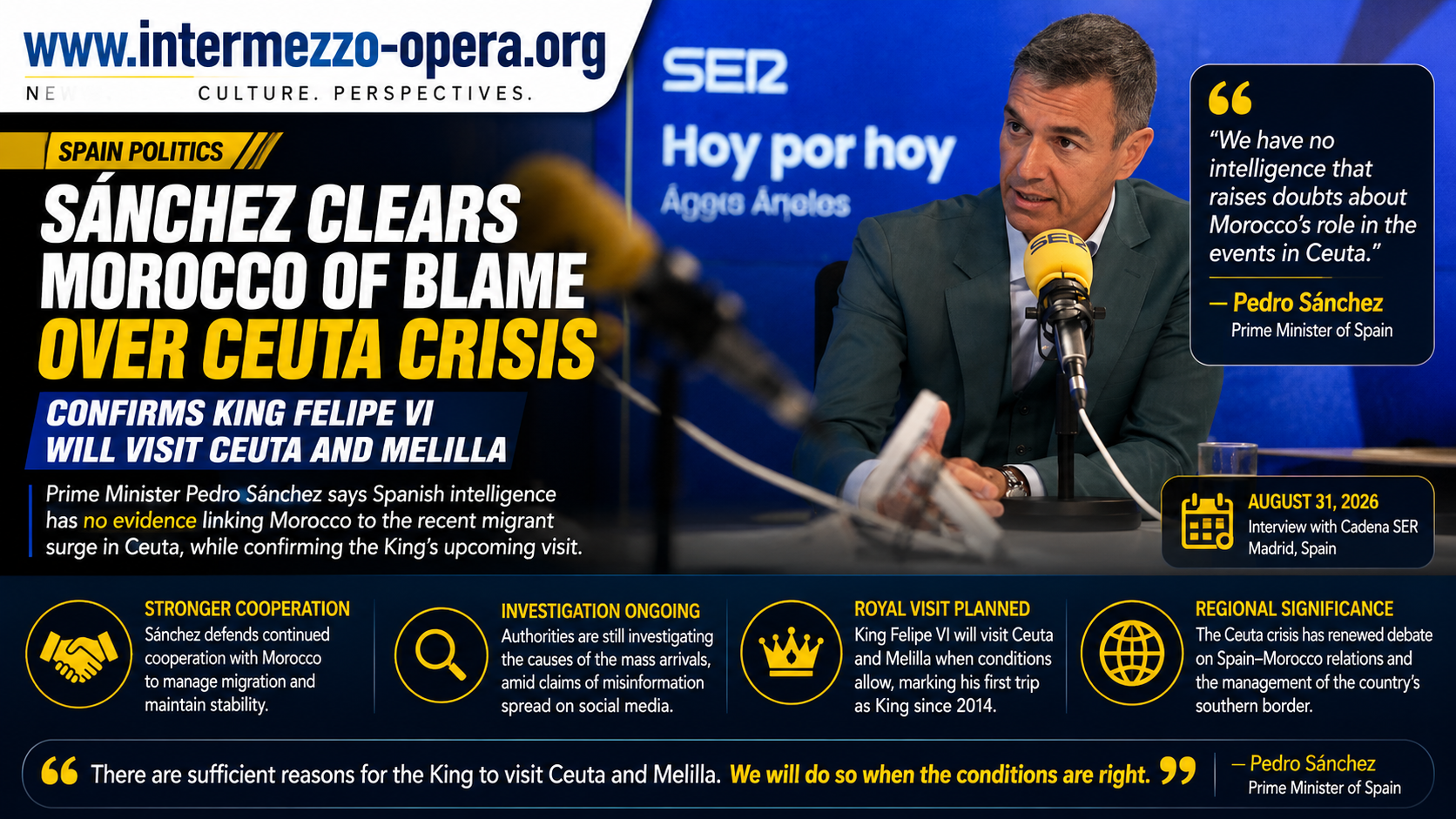
Sánchez Clears Morocco of Blame Over Ceuta Crisis, Confirms King Felipe VI Will Visit
MADRID, Spain – Spanish Prime Minister Pedro Sánchez has rejected suggestions that Morocco was responsible…