Von der Leyen Wants Europe’s €10 Trillion in Savings to Help Drive Business Investment
 0
0
 0
0
Read Time:2 Minute, 47 Second
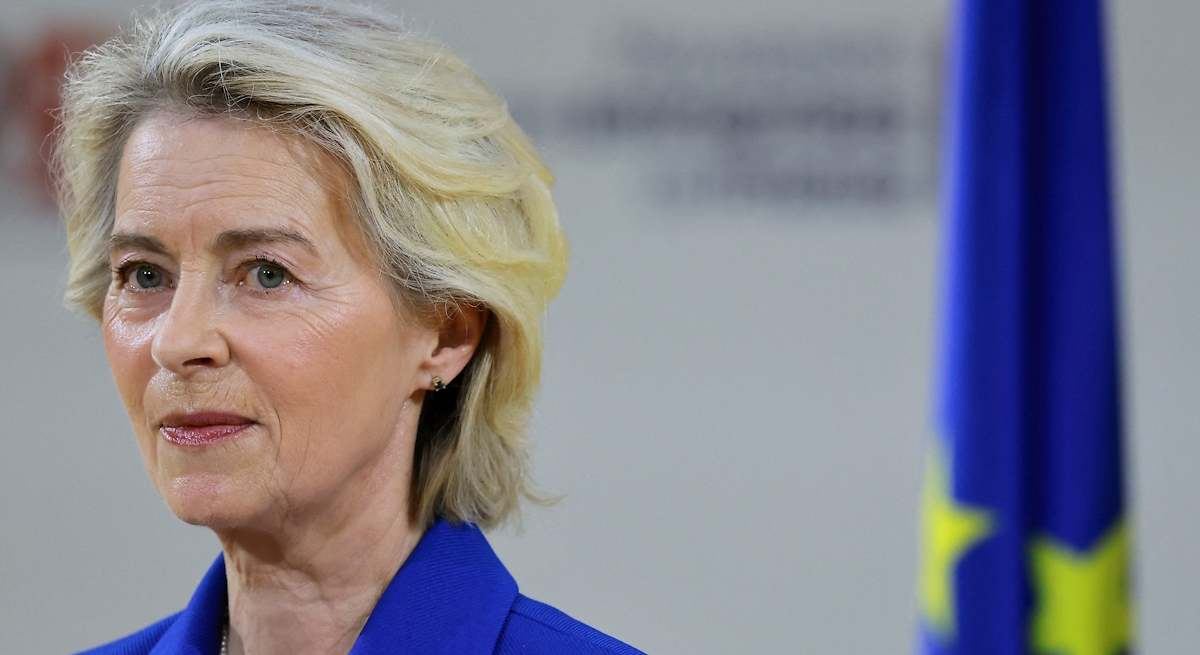
European Commission President Ursula von der Leyen has renewed her push to mobilise Europe’s enormous pool of household savings to support businesses, innovation and economic growth.
Speaking amid renewed concerns about Europe’s competitiveness, von der Leyen highlighted the vast amount of money Europeans currently keep in bank accounts. She argued that Europe has capital available but needs better mechanisms to channel more of it towards productive investment.
The issue forms part of the European Union’s broader Savings and Investments Union (SIU) agenda. Brussels hopes the initiative can strengthen European capital markets while giving citizens more opportunities to invest their savings.
Europe Holds Around €10 Trillion in Bank Deposits
According to the European Commission, approximately €10 trillion in EU retail savings currently sits in bank deposits.
Bank deposits provide security and easy access to money. However, the Commission says they generally generate lower returns than investments in capital-market instruments.
At the same time, European companies face substantial financing needs. The Commission estimates that Europe requires hundreds of billions of euros in additional investment each year to strengthen areas such as innovation, digitalisation and the green transition.
Therefore, policymakers see household savings as one potential source of capital that could contribute to European economic growth.
Von der Leyen Pushes for More Investment in European Companies
Von der Leyen argues that Europe does not simply suffer from a shortage of money. Instead, fragmented capital markets make it harder to connect available savings with companies that need investment.
This problem can particularly affect innovative businesses and growing companies seeking financing beyond traditional bank loans.
The EU consequently wants to develop deeper and more integrated capital markets. Under the SIU strategy, policymakers aim to provide citizens with broader investment opportunities while improving financing options for businesses.
Von der Leyen has pursued this objective for several years. Her political guidelines for the 2024–2029 Commission already called for leveraging Europe’s large pool of private savings to finance innovation as well as clean and digital transitions.
Does the EU Plan to Take Money From Bank Accounts?
The proposal does not mean Brussels plans to seize or automatically transfer money from Europeans’ bank accounts.
The Savings and Investments Union instead seeks to create more attractive opportunities for citizens who choose to move some of their savings into investments. Previous claims that the EU intended to confiscate private savings have also been debunked.
Indeed, von der Leyen has previously described the initiative as a way to give citizens more choices when making financial decisions.
The distinction matters because the EU strategy focuses on encouraging investment rather than forcing households to surrender their deposits.
Savings and Investments Union at the Heart of EU Strategy
Europe’s wider challenge involves improving productivity and competitiveness while financing major strategic priorities.
For that reason, the Savings and Investments Union has become an important element of the EU’s economic strategy. Brussels wants capital to move more efficiently across member states and reach European companies with growth potential.
The Commission also wants citizens to benefit from broader investment choices and potentially better long-term returns.
Ultimately, von der Leyen’s message focuses on putting more European capital to productive use. Rather than leaving most household wealth concentrated in bank deposits, the EU wants to make voluntary investment in European businesses easier and more attractive.


Happy
0 %

Sad
0 %

Excited
0 %

Sleepy
0 %

Angry
0 %

Surprise
0 %
Related Post
Uruguay’s Construction Workweek Cut Sparks Domino Effect as Business Groups Push Back
MONTEVIDEO, Uruguay – Uruguay’s decision to gradually reduce working hours in the construction industry has…