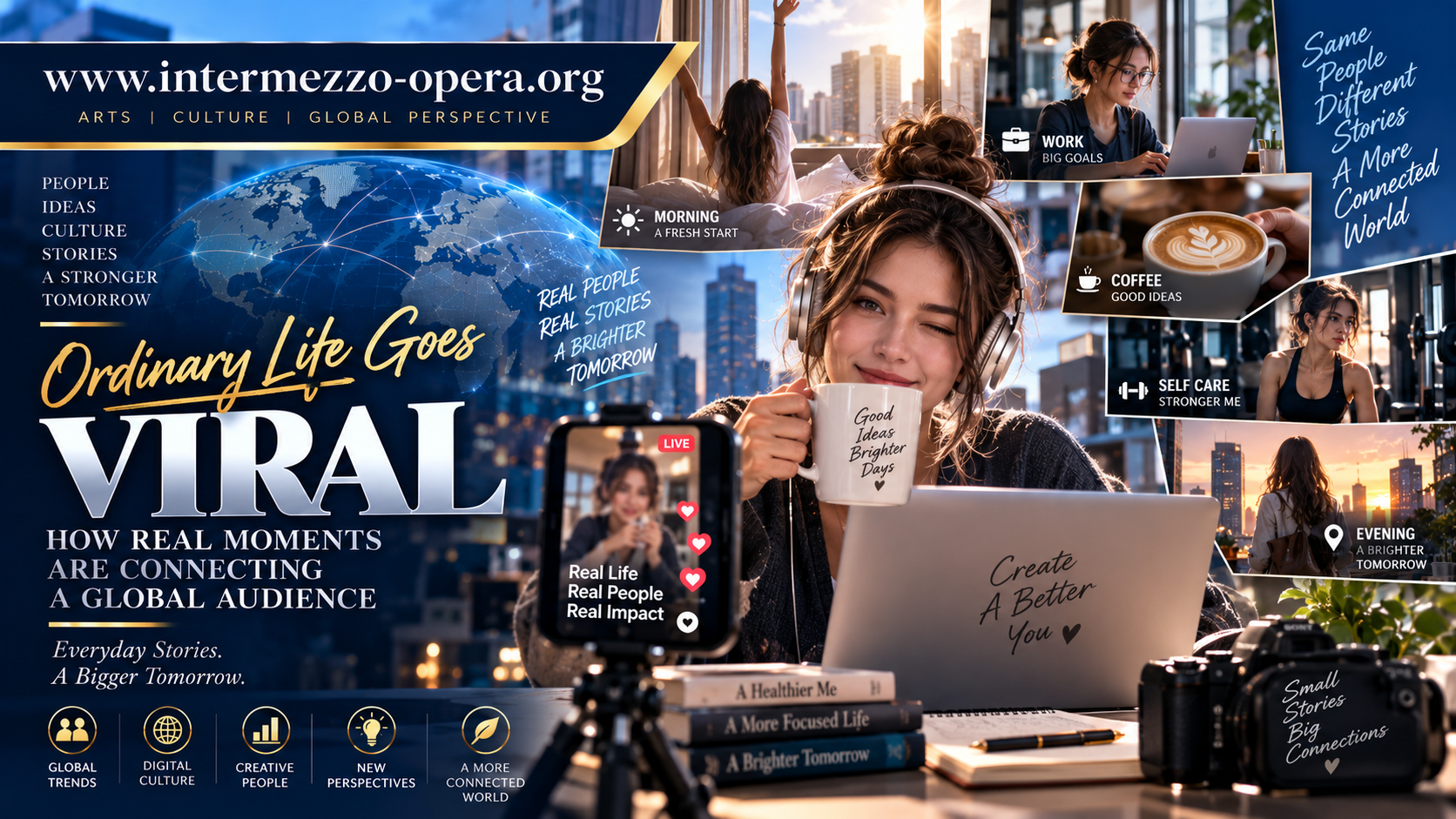

Europe’s Viral Internet Moment: Social Media Algorithms Become the New Digital Debate
 0
0
 0
0
Read Time:3 Minute, 12 Second
Social media is changing fast.
Every day, new videos, memes, and online stories can reach millions of people. However, the biggest viral story is no longer only about entertainment.
Now, the algorithm itself is becoming part of the debate.
In September 2026, Australia proposed new rules that would give users more control over algorithm-based social media feeds. The proposal would let users choose between personalized recommendations and posts from accounts they follow.
Why Algorithms Matter
Social media platforms use algorithms to decide what users see.
These systems study user activity. They can look at likes, views, comments, and other signals.
As a result, two people can open the same platform and see very different content.
This system can help users discover new creators. At the same time, it can make some content spread very quickly.
Viral Content Moves at High Speed
A viral post can travel across countries within hours.
Short videos are especially powerful. They can mix humor, music, news, and personal stories in a simple format.
Recent social media trend reports show that new formats continue to appear on TikTok and Instagram every week. Some trends become popular because they are funny. Others grow because users can easily copy the format.
Therefore, virality is not always planned.
Sometimes, an ordinary idea becomes a global trend because thousands of users decide to share it.
AI Adds a New Layer
Artificial intelligence is also changing viral content.
AI tools can create realistic images, videos, and voices. Because of that, users may find it harder to know whether a viral post is real.
This problem has already appeared in Europe.
For example, fake images of a character appearing on streets in England went viral online. Police later confirmed that the images were AI-generated.
The story shows how quickly a fictional image can become an online conversation.
The Problem With Fake Viral Stories
Viral content can attract attention before people check the facts.
That creates a serious problem when the content involves politics, public safety, or major events.
A false claim can reach thousands of people before a correction appears.
Furthermore, emotional content often receives strong reactions. Users may share it because they are surprised, angry, or amused.
Therefore, people should pause before sharing a viral post.
Platforms Face More Pressure
Governments are now asking social media companies to take greater responsibility.
Australia’s proposed rules are one example. The plan would give users more choice over how their feeds work. It would also place stronger responsibilities on platforms to reduce online harm.
Meanwhile, Instagram chief Adam Mosseri has argued that many users prefer algorithmic feeds because they help them discover content. He also said chronological feeds can reduce engagement and make it harder for creators to reach audiences.
The debate is therefore becoming more complex.
Users want control. Creators want reach. Platforms want engagement. Governments want safer online spaces.
What Makes Something Go Viral?
There is no single formula.
However, several elements often appear in viral content.
First, the idea must be easy to understand.
Second, the content usually creates a strong emotion.
Third, people can easily share or copy it.
Finally, timing can make a huge difference.
A simple video can become a major trend when it appears at the right moment.
The New Digital Culture
The viral internet is no longer just about funny videos.
It now affects politics, business, culture, and public debate.
As a result, users need stronger digital awareness.
Before sharing a viral post, checking the source can make a big difference.
In the end, the biggest digital trend of 2026 may not be a single meme or video. It may be the growing debate over who controls what we see online.
Europe and other regions are now facing the same question: should algorithms decide what becomes viral, or should users have more control?


Happy
0 %

Sad
0 %

Excited
0 %

Sleepy
0 %

Angry
0 %

Surprise
0 %
Related Post
Over 835,000 Children Receive Diphtheria Vaccines in Kano as MSF Ends Emergency Response
More than 835,000 children received diphtheria vaccines in Kano, Nigeria, during a major vaccination campaign…