
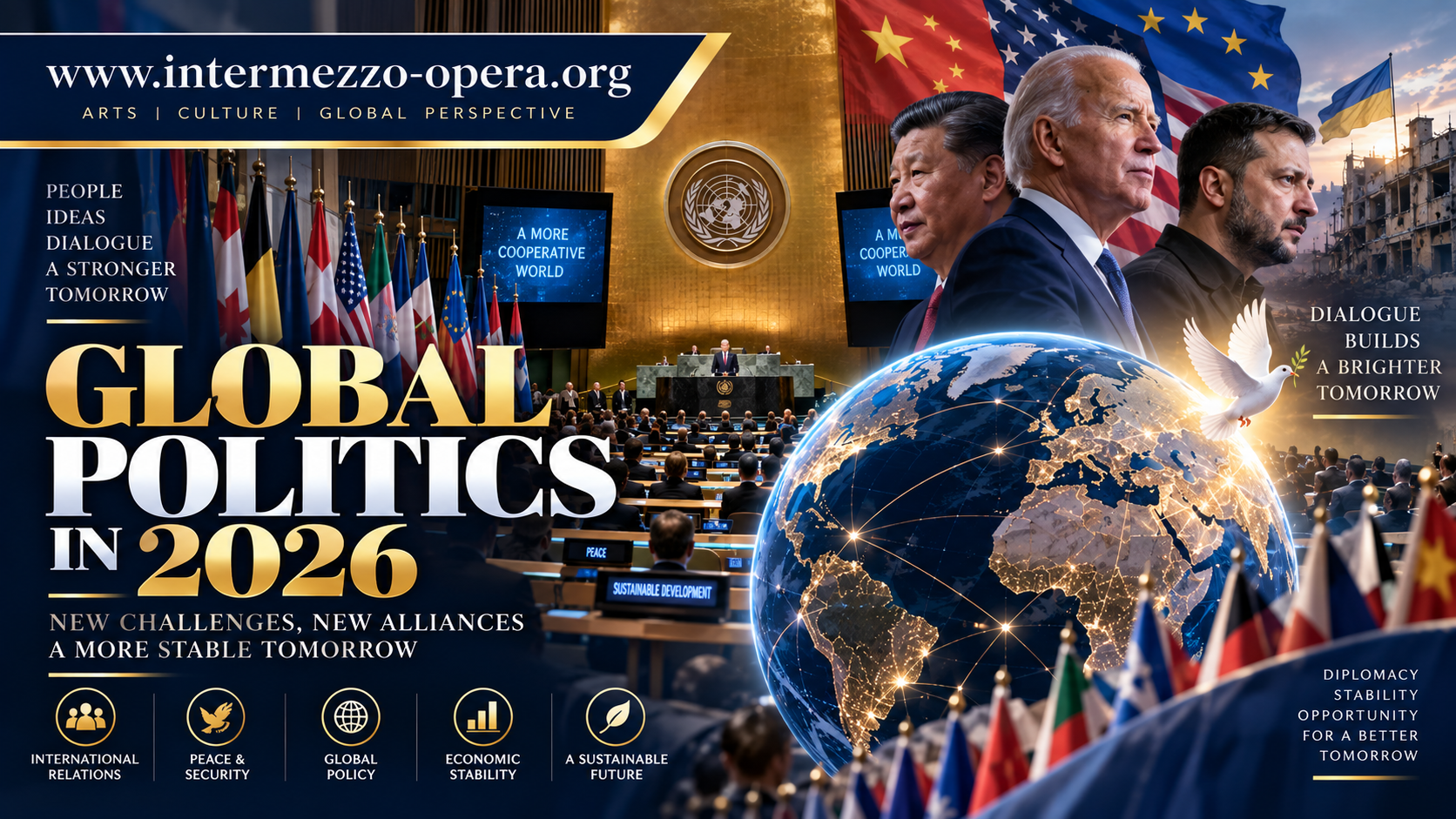
Global Diplomacy in 2026 Faces a Critical Test as World Leaders Seek Common Ground
 0
0
 0
0
Read Time:3 Minute, 3 Second
Focus Keyphrase: global diplomacy in 2026
SEO Title: Global Diplomacy in 2026 Faces a Critical Test
Slug: global-diplomacy-2026-world-leaders
Meta Description: Global diplomacy in 2026 faces a critical test as world leaders confront geopolitical tensions, conflicts and growing pressure for international cooperation.
Global diplomacy in 2026 is entering a critical period as governments confront wars, geopolitical competition and growing pressure to rebuild international cooperation. From Europe to the Middle East and Asia, political leaders are balancing national interests with the need to prevent further instability.
The United Nations General Assembly has become an important stage for these discussions. Its 81st session opened on September 8, while world leaders are preparing for the General Debate beginning September 22. The official theme is “Restoring trust, managing transformation: A United Nations that delivers for all.”
Global Diplomacy in 2026 Turns Toward Dialogue
Diplomatic engagement remains essential as several international disputes continue without simple solutions.
One important development involves efforts to revive negotiations over the Russia-Ukraine war. Ukrainian President Volodymyr Zelenskyy said U.S. envoys recently presented ideas aimed at moving peace discussions forward after meetings in both Ukraine and Russia. No breakthrough has been announced, but the renewed diplomatic activity highlights continued efforts to find a negotiating path.
These developments demonstrate why global diplomacy in 2026 is increasingly focused on maintaining communication even when political positions remain far apart.
Middle East Tensions Challenge International Cooperation
The Middle East is another major test for international diplomacy.
The United Nations Security Council is preparing for a contentious debate over the mandate of the panel monitoring sanctions on Iran. France has indicated that Iran’s nuclear program and compliance with UN obligations will be central issues, while Russia and China oppose the re-established sanctions framework.
The disagreement illustrates a broader challenge facing international institutions. Major powers may agree that stability is important while remaining deeply divided over how it should be achieved.
As a result, diplomatic negotiations are increasingly shaped by competing security, economic and strategic priorities.
Political Competition Meets Economic Interests
Politics and economics are also becoming more closely connected.
Relations between major powers now involve questions surrounding technology, investment, energy, trade and national security. This creates a complicated environment in which governments can compete politically while continuing to cooperate economically.
A recent conversation between Chinese President Xi Jinping and British Prime Minister Andy Burnham reflected this balancing act. Both sides emphasized opportunities for cooperation in areas including technology, education, healthcare and finance, even as Britain raised security and human-rights concerns.
Such relationships show that modern diplomacy is rarely defined entirely by friendship or rivalry.
United Nations Prepares for Major Political Discussions
The upcoming UN General Assembly High-Level Week will give governments another opportunity to address these challenges.
Beyond the General Debate, the 2026 agenda includes high-level discussions on climate action, sustainable development, sea-level rise, pandemic preparedness and nuclear weapons.
These issues demonstrate how international politics now extends far beyond traditional questions of war and security.
Climate change, public health, technological development and economic inequality have become political issues requiring cooperation across borders.
A New Era of Global Politics
The future of global diplomacy in 2026 will depend heavily on whether governments can maintain dialogue while protecting their own strategic interests.
Competition between major powers is unlikely to disappear. However, diplomacy provides a mechanism for preventing political disagreements from becoming even more dangerous confrontations.
As world leaders prepare to gather in New York, the central political question is therefore larger than any individual conflict. The challenge is whether an increasingly divided international system can still find enough common ground to address problems that no country can solve alone.


Happy
0 %

Sad
0 %

Excited
0 %

Sleepy
0 %

Angry
0 %

Surprise
0 %
Related Post
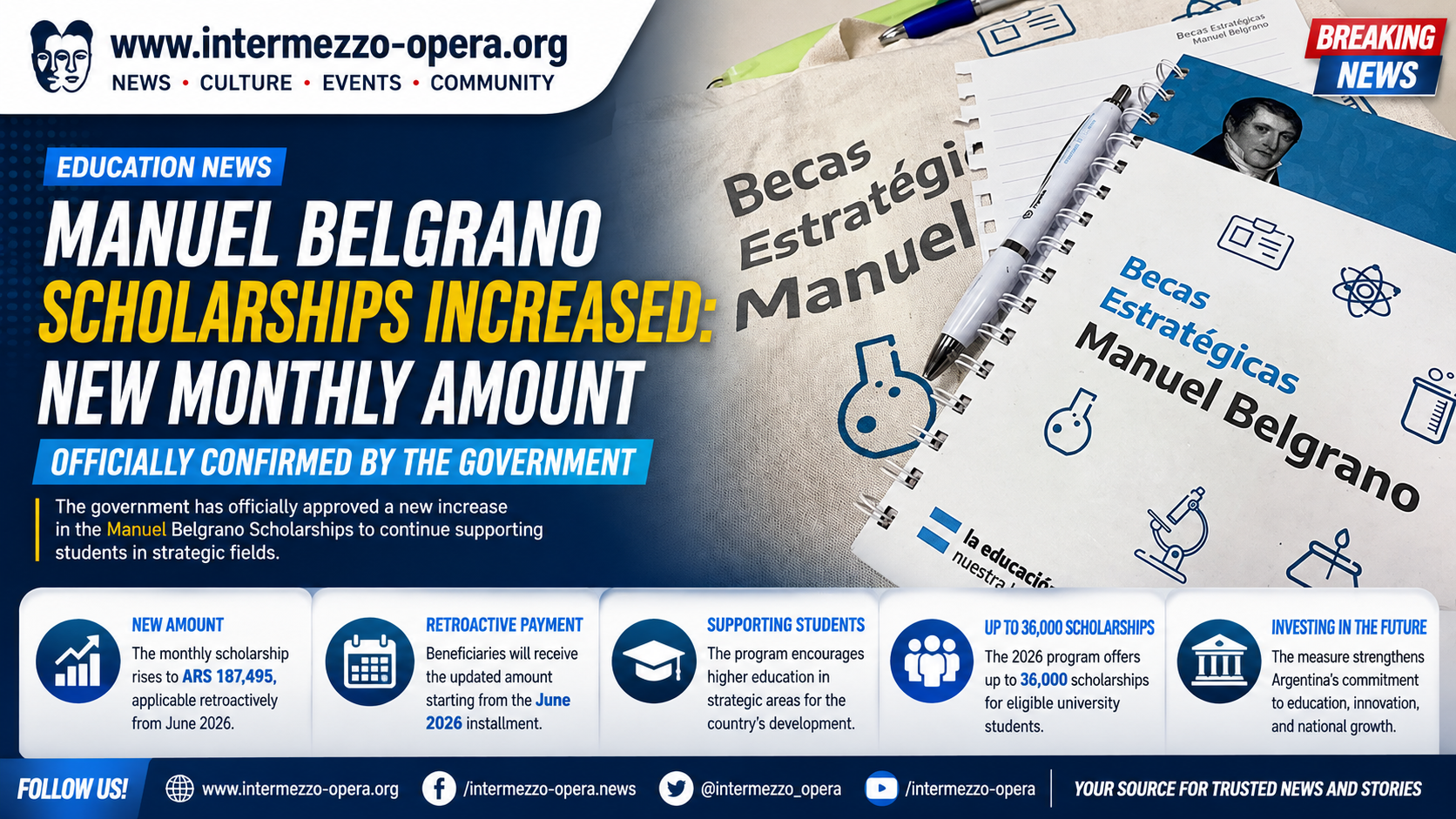
Argentina Raises Manuel Belgrano Scholarships to ARS 187,495 per Month
BUENOS AIRES, Argentina — Argentina’s government has officially approved a significant increase in the monthly…