Amid rising geopolitical tensions in Europe, Finland has introduced an innovative national defense strategy—integrating supermarkets into its emergency preparedness system in case of a potential attack from Russia.
Home >> ECONOMIC>> Amid rising geopolitical tensions in Europe, Finland has introduced an innovative national defense strategy—integrating supermarkets into its emergency preparedness system in case of a potential attack from Russia.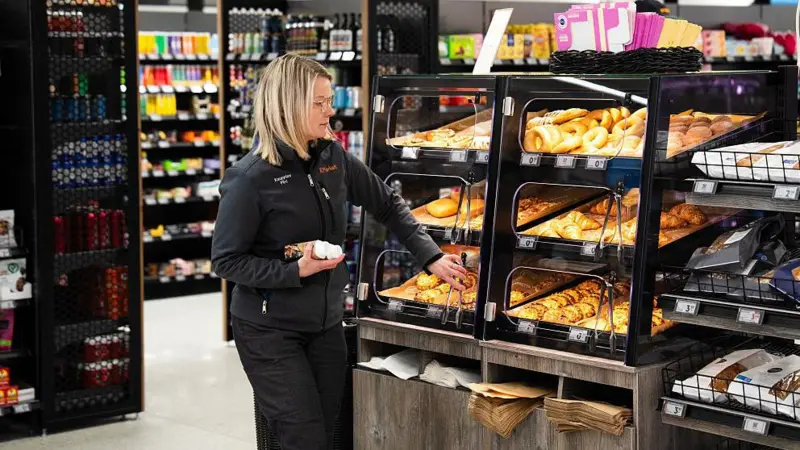
Amid rising geopolitical tensions in Europe, Finland has introduced an innovative national defense strategy—integrating supermarkets into its emergency preparedness system in case of a potential attack from Russia.
 0
0
 0
0
Read Time:2 Minute, 0 Second
This unique approach highlights how civilian infrastructure can play a crucial role in national security during times of crisis.
Why Supermarkets Are Key to Finland’s Defense Plan
Finland’s government recognizes that modern warfare is not only fought on battlefields but also affects supply chains and civilian life. Supermarkets are essential hubs for food distribution, making them critical in maintaining stability during emergencies.
By incorporating supermarkets into its defense planning, Finland aims to:
- Ensure continuous access to food and essential goods
- Prevent panic buying and shortages
- Maintain public morale during crises
This strategy reflects Finland’s broader “total defense” concept, where both public and private sectors are involved in national preparedness.
How the System Works
Under this plan, Finnish authorities collaborate closely with major retail chains to prepare for emergency scenarios. Supermarkets are required to:
1. Maintain Emergency Stockpiles
Retailers are encouraged to store sufficient quantities of essential goods such as food, water, and medical supplies to last during disruptions.
2. Backup Power Systems
Many supermarkets are equipped with backup generators to ensure operations continue even during power outages.
3. Logistics Coordination
Distribution networks are designed to function even under crisis conditions, ensuring supplies can still reach stores across the country.
4. Staff Preparedness
Employees receive training on emergency protocols, enabling them to respond effectively during national crises.
A Response to Regional Security Concerns
Finland shares a long border with Russia, making security preparedness a top priority. Since joining NATO, Finland has increased its focus on resilience and defense readiness.
The supermarket strategy is part of broader efforts to prepare for hybrid threats, including cyberattacks, infrastructure disruption, and supply chain interference.
A Model for Other Countries?
Experts suggest Finland’s approach could serve as a model for other nations facing similar risks. By leveraging existing commercial infrastructure, governments can enhance resilience without building entirely new systems.
This strategy demonstrates that national defense is no longer limited to military strength—it also depends on economic stability and civilian preparedness.
Conclusion
Finland’s decision to make supermarkets part of its defense strategy shows a forward-thinking approach to modern security challenges. As tensions with Russia remain uncertain, ensuring access to essential goods becomes just as important as military readiness.
In a world where conflicts can disrupt everyday life in an instant, Finland’s model proves that preparedness starts at the community level—even in places as ordinary as your local supermarket.


Happy
0 %

Sad
0 %

Excited
0 %

Sleepy
0 %

Angry
0 %

Surprise
0 %
Related Post

The Economy in Plain English with Arun Advani
In today’s complex world, understanding economics can feel overwhelming. However, Arun Advani offers a refreshing…