
Listen: Why Europe won’t blindly follow Donald Trump’s call to secure the Strait of Hormuz?
 0
0
 0
0
Read Time:1 Minute, 51 Second
Calls from Donald Trump for Western allies to secure the strategic Strait of Hormuz have drawn mixed reactions across Europe. Rather than immediately aligning with the United States, European nations are taking a more cautious and calculated approach.
This reflects a broader shift in transatlantic relations, where Europe is increasingly asserting independence in foreign policy and security decisions.
The Strategic Importance of the Strait of Hormuz
The Strait of Hormuz is one of the world’s most critical maritime chokepoints, especially for global oil and gas shipments. Roughly one-third of the world’s oil supply passes through this route, making it vital for global energy stability.
Tensions in the region, particularly involving Iran, often raise concerns about supply disruptions and rising oil prices.
Why Europe Is Taking a Different Approach
European countries have several strategic reasons for not fully embracing the U.S. proposal:
1. Preference for Diplomacy
Europe traditionally prioritizes diplomatic solutions over military action, aiming to avoid escalation in an already volatile region.
2. Economic and Energy Considerations
While Europe depends on stable energy supplies, military involvement could heighten tensions and disrupt global energy flows.
3. Strategic Autonomy
The European Union has been promoting “strategic autonomy,” allowing Europe to make independent decisions rather than automatically following Washington’s lead.
4. Risk of Escalation
Direct involvement in securing the Strait could trigger broader conflicts, posing risks not only regionally but globally.
Europe’s Security and Political Response
European leaders have expressed willingness to ensure the safety of international trade routes, but through coordinated and multilateral efforts rather than unilateral military actions.
This approach emphasizes cooperation, diplomacy, and long-term stability.
Impact on Transatlantic Relations
The differing stance highlights a growing divergence between the U.S. and Europe on foreign policy matters. While still allies, both sides are increasingly pursuing their own strategic priorities.
This signals Europe’s emergence as a more independent geopolitical actor on the global stage.
Conclusion
Donald Trump’s call to secure the Strait of Hormuz has not been blindly followed by Europe. Instead, European nations are carefully balancing diplomacy, economic interests, and global stability.
This evolving dynamic will continue to shape international relations, particularly in the areas of energy security and global geopolitics.


Happy
0 %

Sad
0 %

Excited
0 %

Sleepy
0 %

Angry
0 %

Surprise
0 %
Related Post
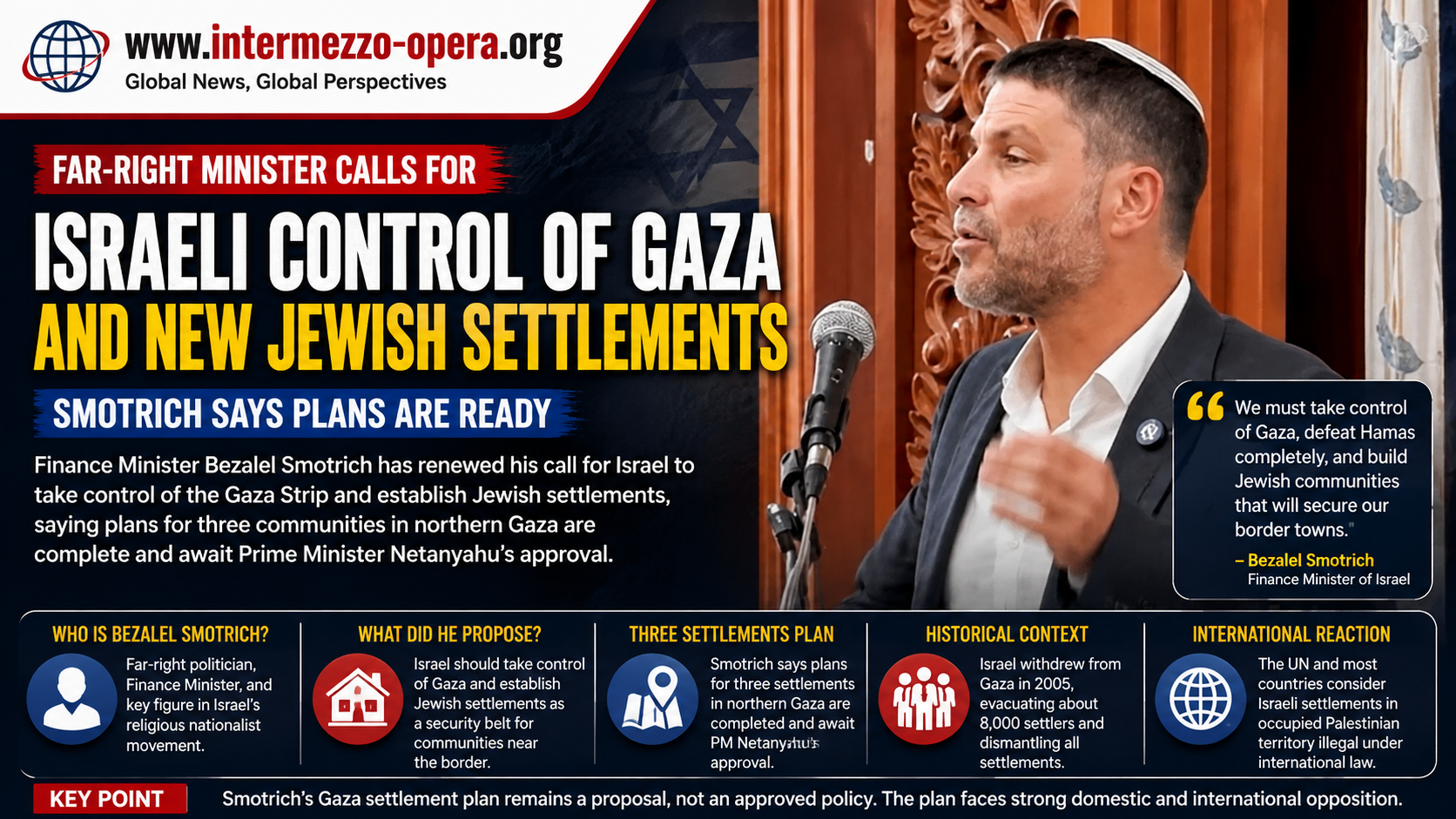
Smotrich Pushes for Israeli Control of Gaza and New Jewish Settlements
JERUSALEM – Bezalel Smotrich’s Gaza settlement plan has drawn renewed attention after the Israeli finance…