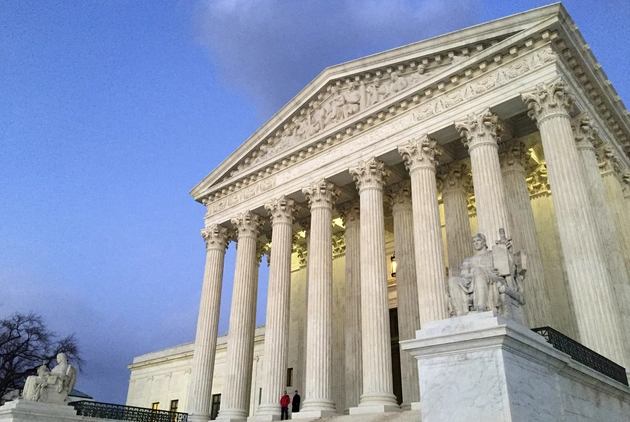
Supreme Court to hear death row case concerning prosecutor with history of discriminatory juror selection
 0
0
 0
0
Read Time:1 Minute, 46 Second
The U.S. Supreme Court has agreed to hear a high‑profile appeal in a death row case that raises significant constitutional questions about racial discrimination in jury selection and prosecutorial conduct in capital trials. The case centers on Mississippi death row inmate Terry Pitchford, whose attorneys argue that the trial prosecutor improperly excluded Black jurors, a practice they claim violated Pitchford’s rights to a fair trial and equal protection under the law.
The appeal scheduled for argument by the Supreme Court involves a prosecutor with a controversial history of striking Black jurors in death penalty cases. That same prosecutor was previously involved in the Curtis Flowers case, which resulted in the U.S. Supreme Court overturning Flowers’ conviction after finding extensive racial Batson violations — a reference to the landmark 1986 decision that prohibits excluding jurors based on race.
In the Pitchford case, the prosecution allegedly struck nearly all Black prospective jurors, leaving only one on the panel that convicted him of capital murder for a 2004 killing during a robbery in Grenada, Mississippi. A federal judge initially overturned the conviction on grounds of racial bias in jury selection, but the Fifth Circuit Court of Appeals reinstated the original verdict.
The Supreme Court’s decision to review the case marks a renewed focus on how the Constitution’s equal protection guarantee applies to jury selection procedures in the modern legal system. Observers note that a ruling in Pitchford’s favor could impact how courts evaluate future claims of discrimination in jury selection, especially in capital punishment cases.
Legal experts and civil rights advocates are watching closely, as the Court will consider whether lower courts properly applied constitutional standards and Batson v. Kentucky protections. Batson requires courts to thoroughly examine prosecutors’ stated reasons for dismissing potential jurors when racial bias is alleged.
This case joins a broader national conversation over fairness in the criminal justice system and the role of race in jury selection practices. The Supreme Court’s upcoming ruling is expected to draw significant attention from civil rights groups, legal scholars, and communities nationwide concerned with equal justice under law.


Happy
0 %

Sad
0 %

Excited
0 %

Sleepy
0 %

Angry
0 %

Surprise
0 %
Related Post
Rubén Moreira Claims Morena Pressured INE to Review His Social Media Accounts
Rubén Moreira Accuses Morena of Targeting His Social Media Mexican lawmaker Rubén Moreira, who coordinates…